Then & This Home

Category

Health

31 articles

The Doctor Who Already Knew Before You Sat Down: When One Person Held Your Whole Family's Story

The Doctor Who Already Knew Before You Sat Down: When One Person Held Your Whole Family's Story

Your family doctor in 1955 didn't need to pull up a file to remember that your father had a weak heart or that your mother's side carried a pattern of early diabetes. He just knew — because he'd been there. Today's healthcare system is faster, more data-rich, and more technologically advanced than anything that doctor could have imagined. So why does it so often feel like starting from scratch every single time?

Nothing to Do Was Actually Something: The Vanishing Art of the Unscheduled Afternoon

Nothing to Do Was Actually Something: The Vanishing Art of the Unscheduled Afternoon

Before activity calendars and screen time, American kids spent entire afternoons doing what looked like nothing. No plan, no coach, no content. Just time and the obligation to figure out what to do with it. That particular kind of boredom — uncomfortable, slow, and completely ordinary — may have been one of the most important developmental experiences we've quietly eliminated.

When August Meant War in the Kitchen: The Summer Ritual That Fed America All Winter

When August Meant War in the Kitchen: The Summer Ritual That Fed America All Winter

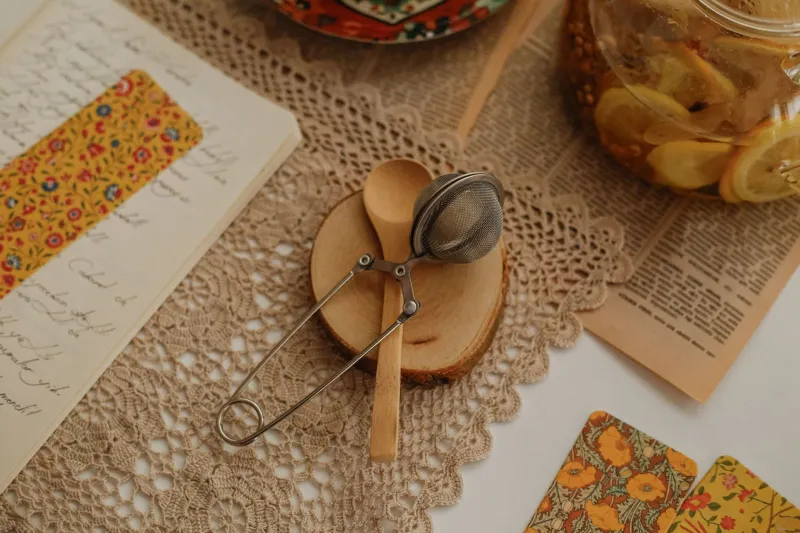
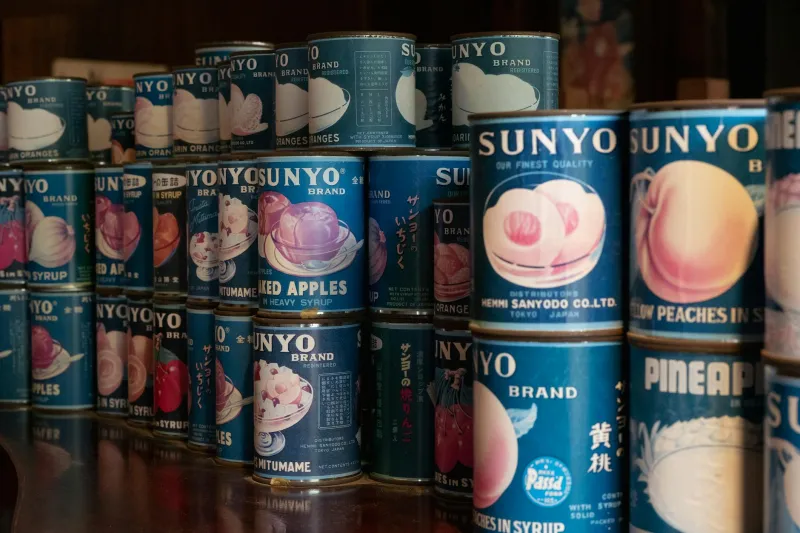
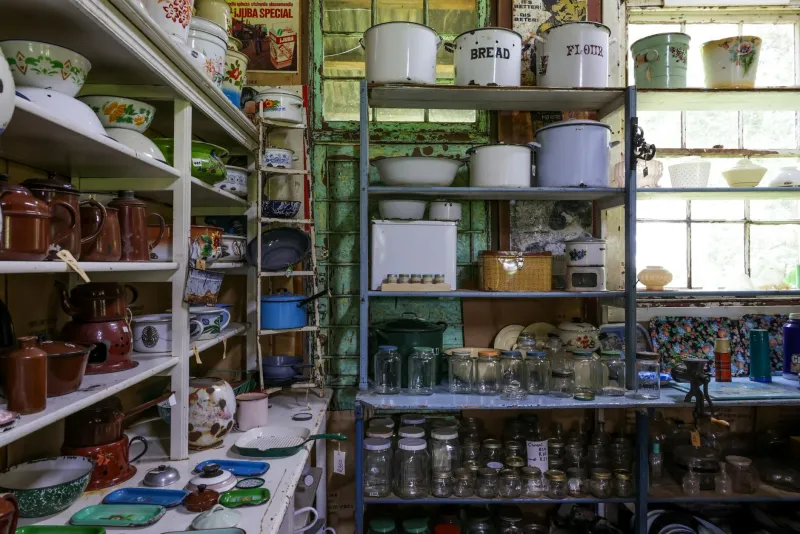
For generations of American families, late summer wasn't a season of relaxation — it was a race against the calendar. Kitchens turned into small factories, and the shelves of the basement told the story of whether winter would be comfortable or lean. Today that entire world has vanished so completely that most Americans have never even held a canning jar with intent.

Forty Papers Before Sunrise: The Vanishing World of America's Paperboy

Forty Papers Before Sunrise: The Vanishing World of America's Paperboy

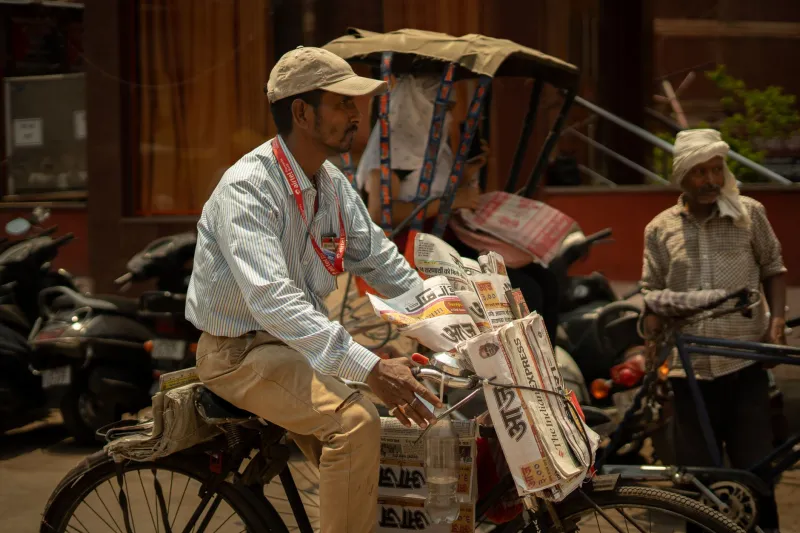
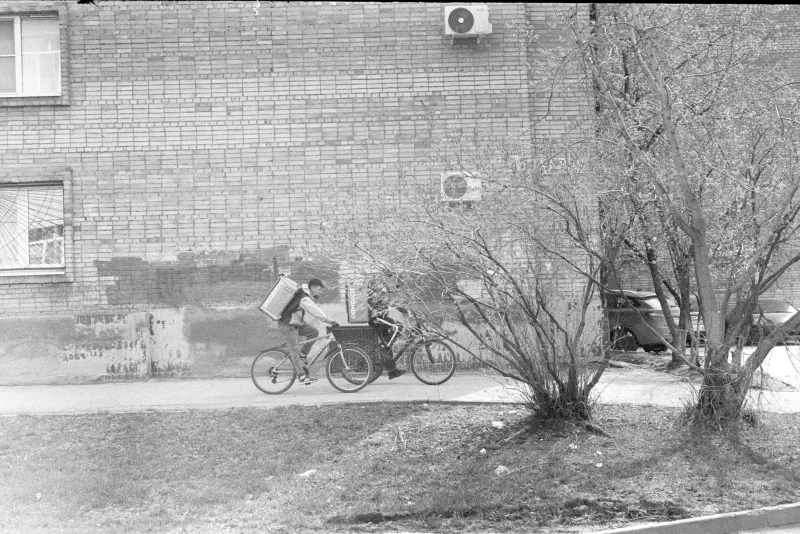
Before algorithms decided what news you'd see, a twelve-year-old on a bicycle made sure you got it — rain, snow, or pitch black. The paperboy wasn't just a delivery mechanism. He was a neighborhood institution, and when he disappeared, something irreplaceable went with him.

Where the Pharmacist Made Your Milkshake: The American Drugstore That Did Everything

Where the Pharmacist Made Your Milkshake: The American Drugstore That Did Everything

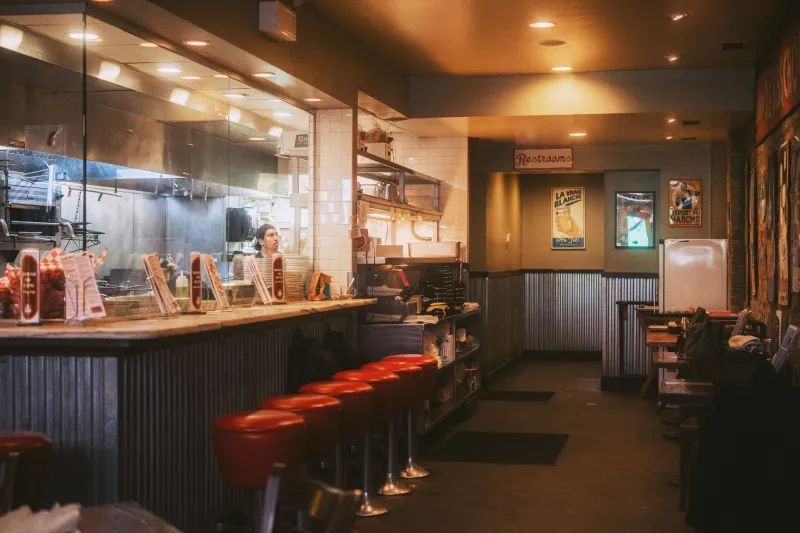
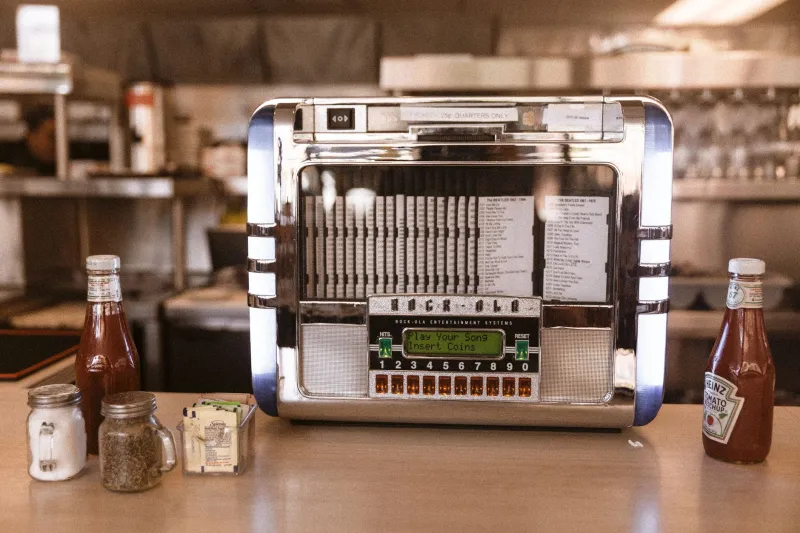
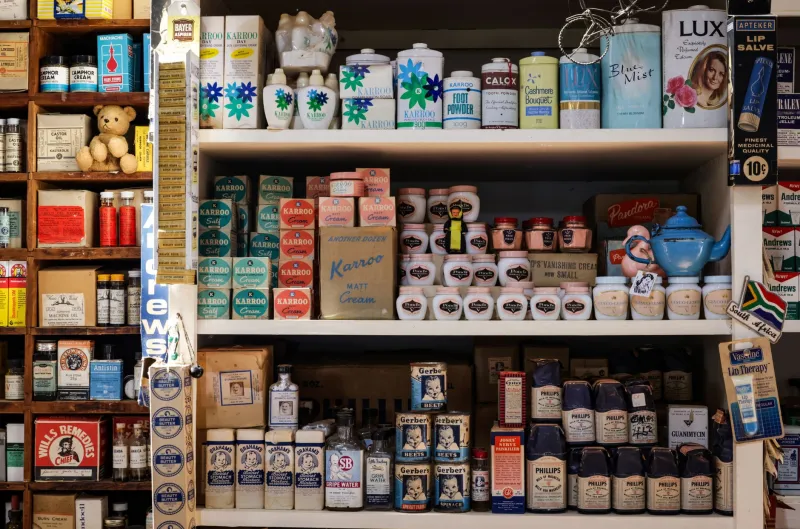
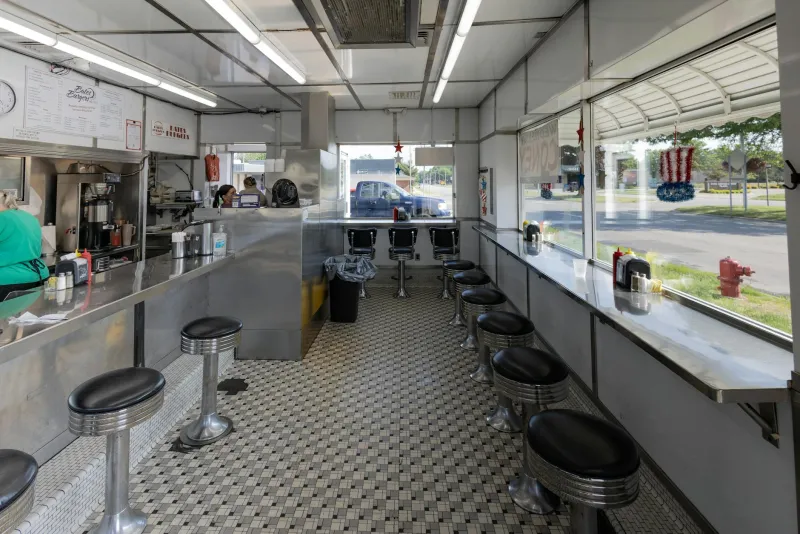
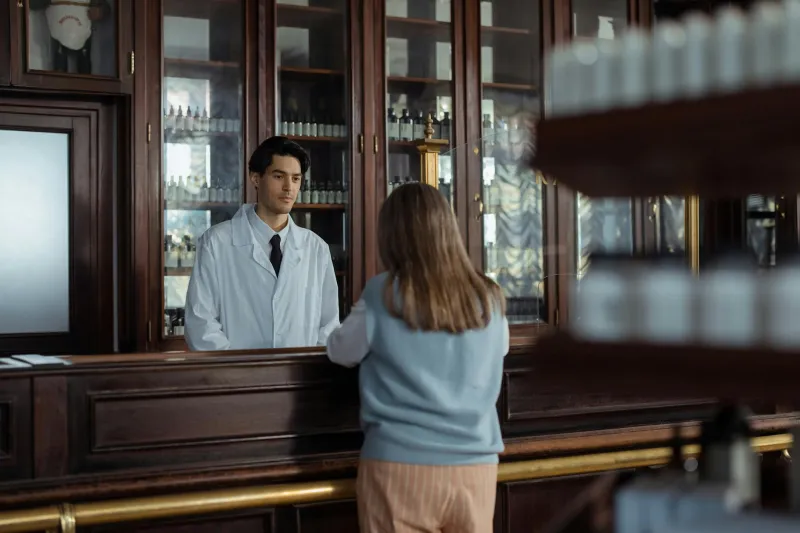
For most of the twentieth century, the neighborhood drugstore was two businesses sharing one roof: a pharmacy filling prescriptions in the back and a soda fountain serving egg creams and cherry Cokes up front. Teenagers claimed the spinning stools for entire Saturday afternoons. Nobody considered any of this unusual. Then it all disappeared, and we've been looking for a replacement ever since.

Six Toys and Infinite Worlds: How American Kids Built Kingdoms from Kitchen Scraps

Six Toys and Infinite Worlds: How American Kids Built Kingdoms from Kitchen Scraps

Before toy aisles stretched for city blocks and Amazon delivered entertainment in cardboard boxes, American children owned maybe half a dozen possessions and turned everything else into playground equipment. Empty lots became battlefields, cardboard boxes became spaceships, and imagination did the heavy lifting that plastic does today.

Before Dawn and After School: When American Kids Earned Their Own Money

Before Dawn and After School: When American Kids Earned Their Own Money

Not so long ago, it was perfectly normal for a twelve-year-old to wake up at 5 AM to deliver newspapers, spend weekends bagging groceries, and use their earnings to buy school clothes. These weren't just jobs—they were rites of passage that taught money management, work ethic, and personal responsibility before kids hit their teens.

The Bell Rang at Three and Kids Vanished Until Dark: When Childhood Meant Disappearing

The Bell Rang at Three and Kids Vanished Until Dark: When Childhood Meant Disappearing

In 1970, American elementary schools dismissed children for two-hour lunch breaks and afternoon recesses that stretched until sunset. Kids organized their own games, settled their own disputes, and learned social skills through trial and error. Today's ten-minute supervised breaks would have seemed like punishment to children who once had entire afternoons to invent their own entertainment.

Salt, Sugar, Flour: When Food Labels Told You Everything in Three Words

Salt, Sugar, Flour: When Food Labels Told You Everything in Three Words

Pick up a box of crackers from 1960, and you'd see five ingredients you recognized. Today's equivalent contains 30+ chemical additives with names that sound like a chemistry textbook. The transformation of American food happened so gradually that most people never noticed their pantry became a laboratory.

The Red Pole Still Remembers: When Your Barber Could Save Your Life

The Red Pole Still Remembers: When Your Barber Could Save Your Life

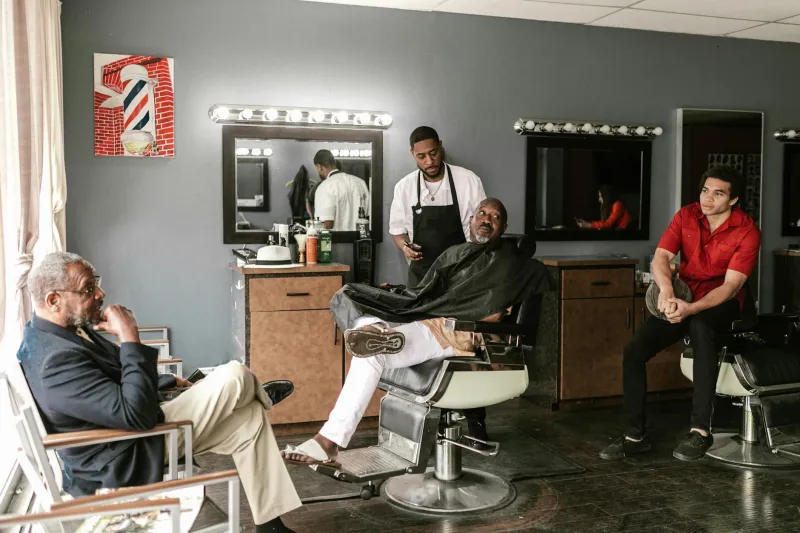
That red-and-white striped pole outside your neighborhood barbershop isn't just decoration—it's a 500-year-old advertisement for bloodletting services. Until the 1800s, the same man who trimmed your hair also pulled your teeth, set your bones, and performed surgery.

Your Milkman Was Your Neighborhood's Informal Mayor

Your Milkman Was Your Neighborhood's Informal Mayor

Before Amazon Prime and grocery apps, Americans built relationships with the people who delivered their daily necessities. These weren't just service providers—they were community connectors who knew when you were sick, when you went on vacation, and when your family was growing.

The Black Bag at Your Bedside: When American Doctors Made the World Their Office

The Black Bag at Your Bedside: When American Doctors Made the World Their Office

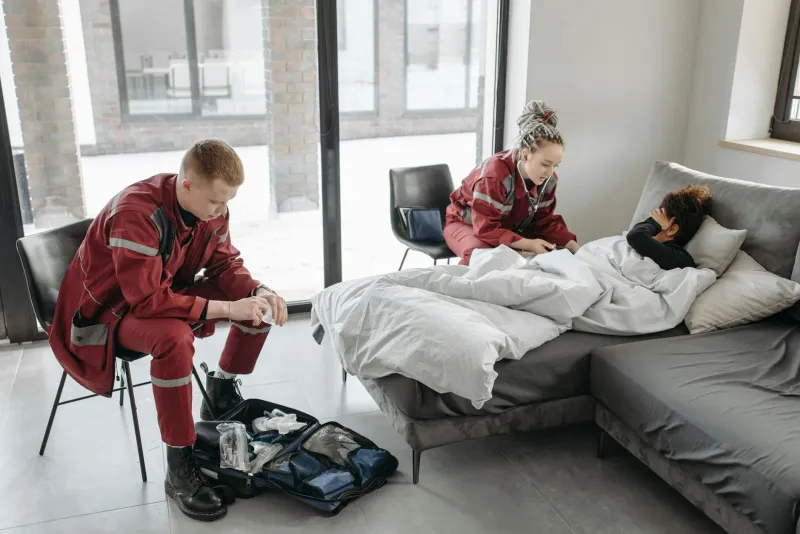
Until the 1970s, calling the doctor meant he'd show up at your front door with his leather bag, ready to treat everything from pneumonia to broken bones in your living room. The disappearance of house calls didn't just change where we get medical care—it transformed the entire relationship between doctors and patients in ways we're still feeling today.