Your Oven Came With Opinions: When Appliance Companies Wrote America's Dinner Menu
The Manual That Mattered More Than Mom
When Betty Carlson unpacked her new Westinghouse electric range in 1954, the most important item in the box wasn't the oven racks or drip pans—it was the 127-page cookbook that came with it. "Electric Cooking...The Modern Way!" would teach her family to eat for the next decade, its recipes becoming as familiar as her grandmother's handwritten cards.
This wasn't unusual. For most of the twentieth century, the companies that manufactured America's kitchen appliances also functioned as its cooking instructors, producing millions of recipe booklets, pamphlets, and hardcover cookbooks that taught housewives how to use their new electric ranges, pressure cookers, and stand mixers.
The Corporate Kitchen Curriculum
Appliance manufacturers didn't just want to sell you a stove—they wanted to teach you a whole new way of cooking that would make their product indispensable. General Electric's "Adventures in Good Eating" cookbook, first published in 1936, eventually sold over two million copies. Westinghouse, Frigidaire, and Hotpoint each produced their own cooking guides, complete with detailed instructions for using every feature of their appliances.
These weren't simple instruction manuals. They were comprehensive cooking courses that assumed housewives needed to learn kitchen basics from scratch. The 1949 edition of "The General Electric Cookbook" included lessons on nutrition, meal planning, table setting, and even kitchen organization—positioning GE not just as an appliance manufacturer but as a domestic authority.
The Science of Selling Through Recipes
Every recipe in these corporate cookbooks served a dual purpose: creating delicious food and demonstrating why you needed that particular appliance feature. Westinghouse's roasting instructions emphasized their "True-Temp" oven controls. General Electric's baking recipes highlighted their "Calrod" heating elements. Recipes weren't just formulas for food—they were marketing materials disguised as helpful advice.
The approach was remarkably sophisticated. Rather than simply listing appliance features, companies created entire cooking philosophies around their products. Pressure cooker manufacturers like Presto didn't just sell speed—they sold the idea that modern cooking should be scientific, precise, and efficient. Their recipe books read like laboratory manuals, complete with timing charts and pressure calculations.
How Gas Companies Cooked Up Competition
As electric appliances gained market share, gas companies fought back with their own cookbook campaigns. The American Gas Association published "Gas Range Cooking" in multiple editions, promoting the superior control and instant heat of gas cooking. Local gas utilities distributed free recipe booklets that emphasized the professional results possible with gas ranges.
This corporate cooking competition inadvertently created regional food variations. Cities with aggressive electric utility marketing developed different cooking styles than areas where gas companies dominated. The appliance wars were fought in America's kitchens, one recipe at a time.
The Convenience Food Partnership
Appliance manufacturers soon partnered with food companies to create recipes that promoted both products simultaneously. Campbell's Soup and General Electric collaborated on casserole recipes that required both canned soup and specific oven settings. Kraft and Westinghouse developed cheese-based dishes that showcased both processed cheese products and electric range capabilities.
These partnerships shaped American eating habits in profound ways. The ubiquitous tuna casserole, green bean casserole, and dozens of other "church supper" dishes originated in corporate test kitchens, designed to sell both appliances and processed food ingredients. What felt like traditional American cooking was often the result of calculated corporate collaboration.
The Home Economics Connection
Appliance companies cultivated relationships with home economics programs at universities and high schools, ensuring their cooking methods became part of formal education. General Electric established test kitchens at colleges across the country, training future home economics teachers to use and promote electric appliances.
This educational strategy created generations of women who learned to cook using corporate-approved methods. Home economics textbooks featured recipes and techniques developed by appliance manufacturers, spreading corporate cooking philosophy through America's schools.
The Standardization of American Taste
By the 1960s, appliance company cookbooks had created a remarkably uniform American cuisine. Families in California were making the same casseroles as families in Connecticut, using identical recipes from their Frigidaire cookbooks. Regional food traditions gave way to national standardization, mediated by corporate recipe development.
This standardization went beyond individual dishes to encompass entire approaches to cooking. The "convenience cooking" philosophy promoted by appliance manufacturers emphasized speed, efficiency, and foolproof results over traditional techniques that required skill and experience. Cooking became less about culinary tradition and more about following corporate-approved procedures.
The Test Kitchen as Cultural Authority
Appliance manufacturers invested heavily in professional test kitchens staffed by home economists and trained cooks. These facilities developed thousands of recipes, tested cooking techniques, and created the content for cookbook publications. Companies like Betty Crocker (General Mills) and Aunt Jemima (Quaker Oats) became trusted household names, even though they were corporate marketing creations rather than real people.
 Photo: Betty Crocker, via logodix.com
The authority of these corporate test kitchens rivaled that of traditional cooking experts. When General Electric's test kitchen recommended a particular cooking method, millions of American women adopted it without question. Corporate recipe developers became the anonymous architects of American home cooking.
When Celebrity Chefs Changed the Game
The rise of celebrity chefs in the 1980s and 1990s gradually undermined the authority of appliance company cookbooks. Julia Child, Martha Stewart, and later the Food Network offered cooking instruction that wasn't tied to specific product promotion. Suddenly, learning to cook meant following chefs rather than corporations.
 Photo: Martha Stewart, via cdn.shopify.com
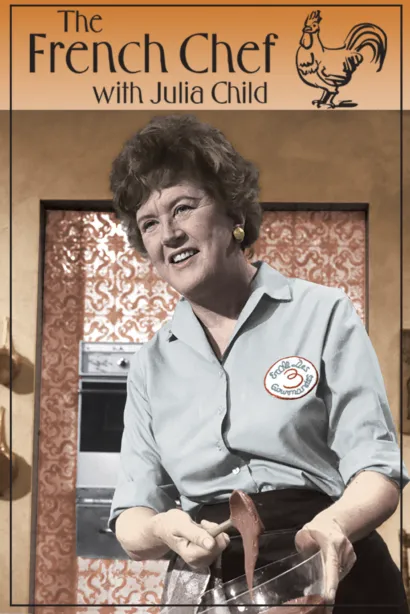 Photo: Julia Child, via dmlxzvnzyohme.cloudfront.net
The internet completed the transformation, making thousands of recipes available instantly without corporate mediation. Home cooks could access techniques from around the world rather than being limited to the recipes that came with their appliances.
The Legacy in Your Kitchen
Many dishes that Americans consider traditional actually originated in corporate test kitchens. The classic green bean casserole was created by Campbell's Soup in 1955. Chex Mix came from Ralston Purina's test kitchen. Even chocolate chip cookies, though invented earlier, were popularized through Nestlé's recipe printed on every package of chocolate chips.
These corporate-created recipes became so embedded in American food culture that their commercial origins were forgotten. What started as appliance marketing became genuine culinary tradition, passed down through generations who had no idea they were preserving corporate recipe development.
The Unintended Consequences
The appliance company cookbook era created both positive and negative changes in American eating. On the positive side, it democratized cooking knowledge, making basic techniques accessible to women who might not have learned from family traditions. The standardized recipes and reliable techniques helped ensure consistent results for inexperienced cooks.
But the corporate influence also contributed to the decline of regional food traditions and the rise of processed food dependence. Traditional cooking techniques that didn't require special appliances or processed ingredients gradually disappeared from American kitchens, replaced by corporate-approved methods that promoted continued product consumption.
The era when your stove came with its own cookbook represents a unique moment in American cultural history—when corporations didn't just sell products but actively shaped how families lived, cooked, and ate together.