When Lead Paint Was a Feature, Not a Warning: America's Blissfully Ignorant Product Era
When the Tube Said Everything and Nothing
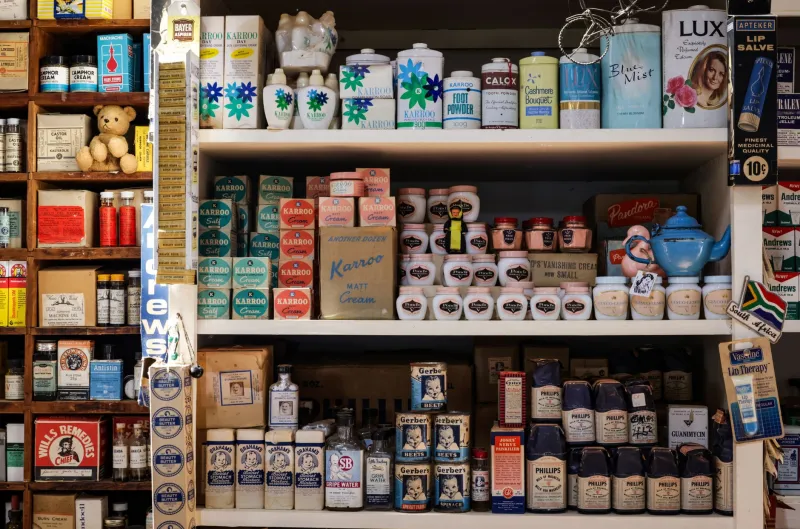
In 1955, the average American bathroom medicine cabinet contained products that would terrify today's clean-beauty enthusiasts. Skin whitening creams laced with mercury. Makeup containing lead and arsenic. Hair products with formaldehyde. The ingredient lists, when they existed at all, read like a chemistry textbook written by someone who'd never heard of the FDA.
Yet families used these products daily, trusting that anything sold in stores must be safe. The tube of face cream that promised "radiant complexion" didn't mention that its mercury content could cause neurological damage. The lipstick that boasted "long-lasting color" didn't explain that the lead made it stay put. Consumer protection meant trusting the companies that made the products, not reading labels that barely existed.
The House That Poison Built
American homes in the mid-20th century were showcases of dangerous innovation. Lead paint wasn't just tolerated—it was preferred. It lasted longer, covered better, and produced richer colors than anything available today. Real estate ads boasted about "durable lead-based finishes" as a selling point. The nursery walls that glowed with cheerful yellow paint contained enough lead to damage developing brains, but parents saw only the beautiful, washable surface that would stay bright for years.
Asbestos insulation wrapped around pipes and filled wall cavities, marketed as the miracle material that would keep homes comfortable and safe from fire. Homeowners paid extra for asbestos siding, asbestos roofing tiles, and asbestos floor coverings. The advertisements promised "fireproof protection for your family"—they just didn't mention the cancer risk that wouldn't show up for decades.
The Blissful Ignorance of Everyday Toxins
The disconnect between marketing and reality was staggering. Household cleaners contained chemicals that would require hazmat protocols today. Garden pesticides included compounds later linked to Parkinson's disease and cancer. Baby products contained formaldehyde as a preservative. Yet consumers had no framework for understanding these risks because the very concept of ingredient transparency didn't exist.
Families sprayed DDT around their homes like air freshener, believing they were protecting their children from insects. The ads showed happy mothers dusting their kitchens with powder that would later be banned worldwide. There was no internet to research ingredients, no advocacy groups raising alarms, no regulatory framework requiring disclosure of health risks.
When Trust Was All You Had
The relationship between consumers and products was built on absolute faith. If Procter & Gamble made it, if it was sold at Woolworth's, if your neighbors used it, then it must be safe. The idea that companies might prioritize profits over public health wasn't part of mainstream consumer consciousness. Corporate responsibility meant making products that worked, not products that were safe.
This trust extended to everything from food additives to construction materials. Families ate processed foods loaded with preservatives that are now banned. They installed vinyl flooring that off-gassed toxic chemicals for years. They wrapped their sandwiches in plastic that contained compounds now known to be endocrine disruptors. The faith in American manufacturing was so complete that questioning product safety seemed almost unpatriotic.
The Awakening That Changed Everything
The shift began slowly, with isolated incidents that gradually built into widespread awareness. Rachel Carson's "Silent Spring" connected DDT to environmental damage. The thalidomide tragedy revealed how inadequate drug testing could be. Lead poisoning cases in children living in older homes finally linked beautiful paint to developmental delays.
 Photo: Silent Spring, via bobsvagene.club
 Photo: Rachel Carson, via cdn2.sexnaked.net
But the real transformation happened when information became accessible. As consumer advocacy groups formed, as scientific research became more widely reported, as regulatory agencies gained power, Americans began to understand that the products in their homes might not be as safe as they'd assumed. The blind trust that had characterized the relationship between consumers and manufacturers began to crumble.
The Birth of the Informed Consumer
Today's shoppers represent a complete reversal of mid-century consumer behavior. We scrutinize ingredient lists like detective work. We research companies' manufacturing processes. We pay premium prices for products labeled "natural," "organic," or "non-toxic." The smartphone in our pocket can instantly decode any ingredient, revealing its potential health effects, environmental impact, and regulatory status.
This transformation has created an entirely new economy built around ingredient transparency. Companies now market what they don't include as much as what they do. "Paraben-free," "sulfate-free," "phthalate-free"—the absence of harmful ingredients has become a selling point. Brands hire toxicologists, not just marketers. Product development teams include safety scientists, not just chemists focused on performance.
The Anxiety of Infinite Information
Yet this knowledge comes with its own burden. Today's consumers face choice paralysis that their grandparents never experienced. Every purchase requires research, comparison, and value judgment about acceptable risk levels. The toothpaste aisle that once offered three options now presents dozens, each claiming to be safer, cleaner, or more natural than the rest.
The pendulum has swung so far that some consumers now fear ingredients that pose negligible risk while remaining unaware of more significant dangers. The same parent who won't buy conventional soap because it contains "chemicals" might live in a house with radon levels that pose greater health risks than any cosmetic ingredient.
From Ignorance to Obsession
The journey from 1950s product ignorance to 2020s ingredient obsession reveals how dramatically American consumer culture has evolved. We've moved from trusting everything to questioning everything, from accepting whatever was available to demanding proof of safety before purchase. The medicine cabinet that once held mercury face cream now contains products with ingredient lists that read like organic chemistry textbooks.
This shift represents one of the most significant changes in American consumer behavior in the past century. It reflects growing scientific literacy, increased access to information, and hard-won awareness that corporate interests don't always align with public health. The grease-stained tube that lasted all year has been replaced by carefully researched products that promise not just effectiveness, but safety—a promise that previous generations never thought to demand.