Six Toys and Infinite Worlds: How American Kids Built Kingdoms from Kitchen Scraps
The Inventory of Childhood
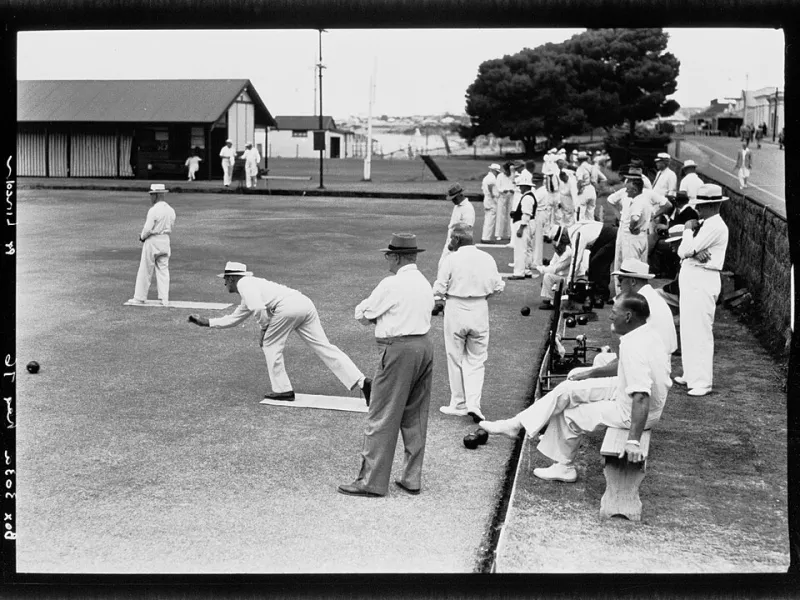
In 1955, the average American child owned exactly eleven toys. Not eleven types of toys — eleven individual items total. A baseball glove, a doll, a set of jacks, maybe a wooden truck or a jump rope. Christmas and birthdays might add one or two more, but childhood possessions could be counted on two hands with fingers left over.
This wasn't poverty — it was the standard American childhood experience across all social classes. Even wealthy families didn't fill playrooms with plastic mountains. Toys were investments, built to last through multiple children and designed for open-ended play. A single red wagon served as a race car, a fort, a grocery cart, and a spaceship, depending on the day's adventure.
Kids developed an almost mystical relationship with their few possessions. Every scratch on a baseball bat told a story. Every missing button on a teddy bear marked a specific memory. Toys weren't disposable entertainment — they were companions that evolved alongside their owners.
The Alchemy of Nothing into Something
Without toy stores dictating how play should look, American children became master inventors. A cardboard refrigerator box transformed into a two-story house, complete with windows cut by kitchen scissors and a front door that actually opened. Empty tin cans connected by string created telephone networks that spanned entire backyards.
Neighborhood kids collaborated on massive construction projects using materials their parents would have thrown away. Wooden crates became go-carts. Old sheets became circus tents. Broken umbrellas became fishing poles for imaginary fish in storm drains. The adult world's discarded items became the raw materials for elaborate child civilizations.
This resourcefulness extended beyond individual play. Groups of children would spend entire summers building forts in vacant lots, using nothing but scavenged lumber, rusty nails, and architectural plans sketched in playground dirt. These weren't temporary afternoon projects — they were engineering marvels that stood for months, complete with secret passwords and membership requirements.
The Seasons of Analog Entertainment
Childhood followed natural rhythms tied to weather and available materials. Spring meant marbles season, when every school playground became a tournament ground for games with rules passed down through generations. Summer brought the great outdoors, where kids disappeared into woods and fields armed with nothing but pocket knives and wild imaginations.
Fall was construction season, when fallen leaves became currency and bare tree branches became the framework for elaborate hideouts. Winter meant indoor creativity, when families gathered around kitchen tables for jigsaw puzzles that took weeks to complete, or card games that taught mathematics without mentioning numbers.
Each season's entertainment was temporary and precious. You couldn't save summer's outdoor adventures in a toy chest or replay autumn's leaf pile battles in January. This scarcity made every season's pleasures more intense and memorable.
The Democracy of Boredom
Before screens eliminated waiting, American children regularly experienced genuine boredom — and learned to cure it themselves. Long car trips meant staring out windows and inventing stories about passing farms. Rainy Saturday afternoons meant reading the same book for the fourth time or organizing elaborate tea parties for stuffed animals.
This forced creativity was democratically distributed. Rich kids and poor kids faced the same essential challenge: how to fill empty hours with limited resources. The solution was always the same — use what you have, imagine what you need, and convince your friends to believe in your vision.
Parents contributed to this creative culture by refusing to solve their children's entertainment problems. "I'm bored" was met with "Then find something to do," not with trips to Target or new app downloads. This benign neglect forced children to develop internal entertainment systems that served them throughout their lives.
The Lost Art of Making Do
Mid-century American children became experts at adaptive play. A single jump rope could anchor a dozen different games — individual jumping, group competitions, limbo contests, or tug-of-war battles. A pack of playing cards provided entertainment for hours, with games ranging from simple Go Fish to complex poker variants that taught probability and psychology.
This versatility extended to outdoor play. A single ball could power an entire afternoon — baseball in the morning, kickball after lunch, catch in the evening. Rules were negotiable, teams were fluid, and equipment was shared without question. The goal wasn't perfect recreation of professional sports, but maximum participation with minimum resources.
Children also learned to repair and modify their few possessions. Broken toys weren't automatically replaced — they were fixed with tape, glue, and creative engineering. A doll with a missing arm became a wounded soldier. A truck with broken wheels became a stationary fort. Nothing was truly broken until imagination couldn't resurrect it.
The Overwhelming Now
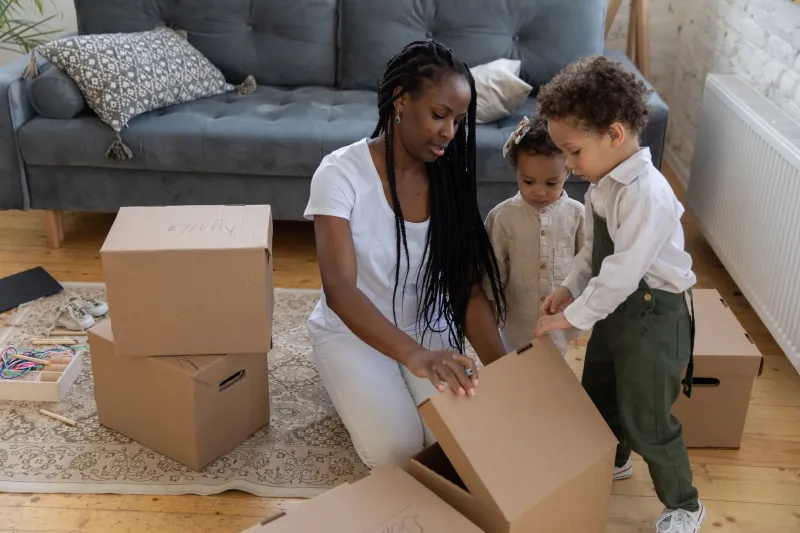
Today's American children own an average of 238 toys, according to recent studies. Playrooms overflow with plastic designed for single-purpose entertainment — toys that beep, flash, and dictate exactly how they should be used. The creative problem-solving that once defined childhood has been outsourced to product designers in distant factories.
Modern parents, terrified of boredom, schedule every moment and fill every silence with stimulation. Children move from organized activities to educational apps to carefully curated playdates, never experiencing the productive emptiness that once sparked genuine creativity.
The irony is profound: in trying to give children everything, we've inadvertently taken away the one thing that mattered most — the space to invent their own entertainment. The kid who once built spaceships from cardboard now owns actual electronic spaceships but has forgotten how to imagine interplanetary travel.
What Simple Abundance Actually Built
Those mid-century children, raised on creative scarcity, became the generation that invented personal computers, video games, and the internet. They learned early that limitations spark innovation, that boredom breeds creativity, and that the best entertainment comes from inside your own head.
Their childhood training in making something from nothing prepared them for adult challenges that required similar resourcefulness. They approached problems with the same creative confidence they'd once applied to turning empty lots into kingdoms.
In our rush to give modern children every possible advantage, we may have overlooked the greatest advantage of all: the irreplaceable education that comes from owning almost nothing and imagining absolutely everything.