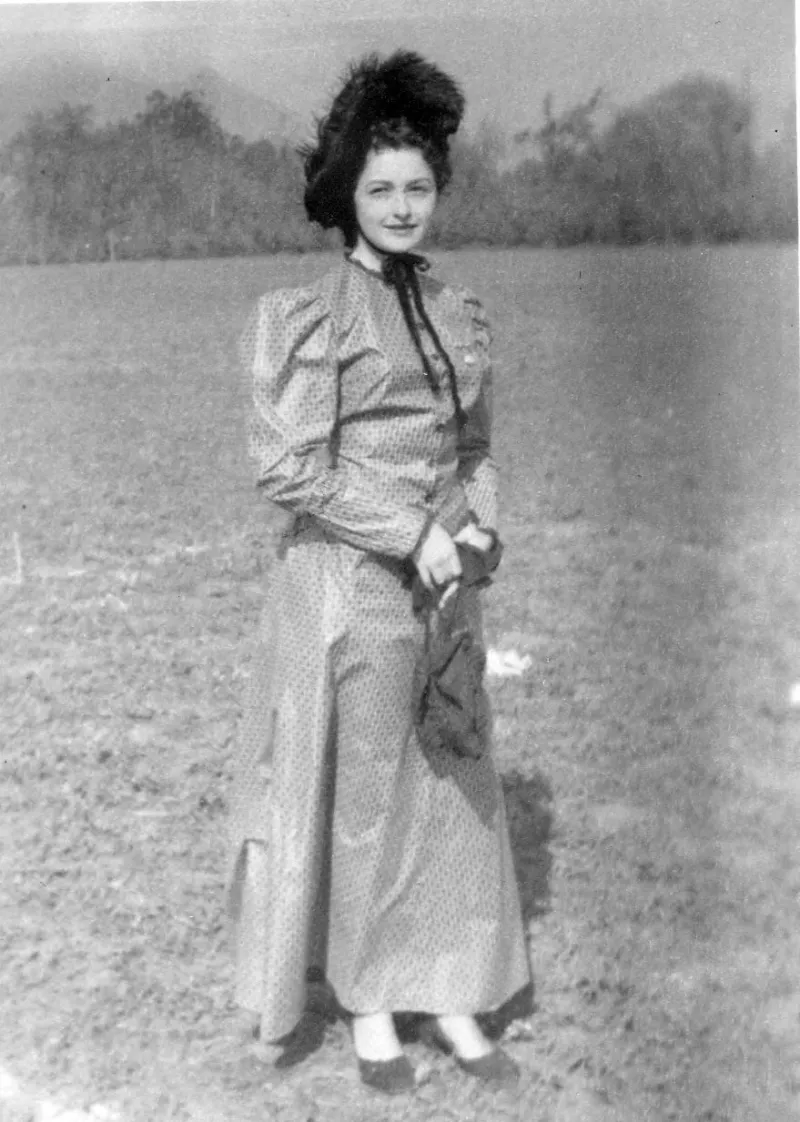
Every Tuesday Night Was Already Taken: When American Men Never Had to Figure Out Friendship
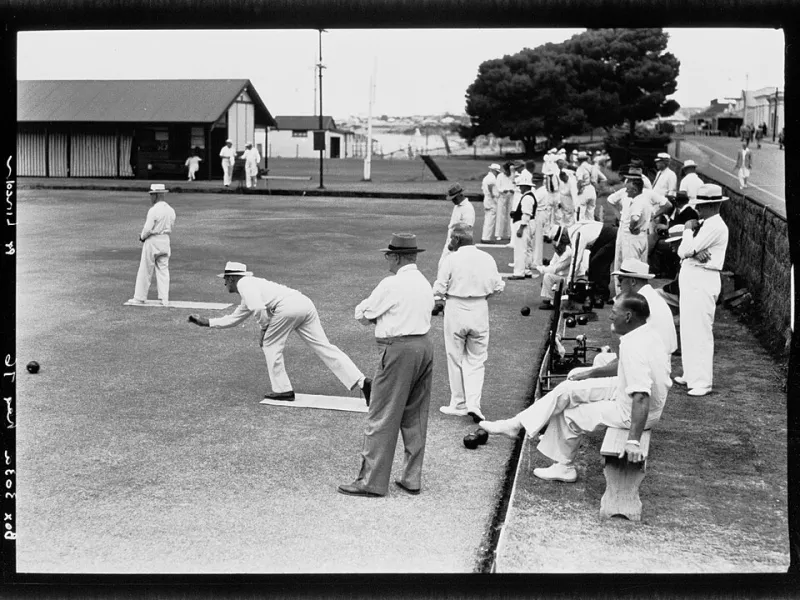
Photo: State Government Photographer, CC0, via Wikimedia Commons
For a working American man in 1958, loneliness required real effort. His week was already spoken for — bowling league on Tuesday, Rotary on Thursday, the lodge on alternating Fridays, and a standing card game that had been running since Eisenhower's first term. He didn't schedule these things. He joined them once, and they simply kept happening. Today, that entire architecture of automatic belonging has largely vanished, and millions of men are living with the quiet consequences.
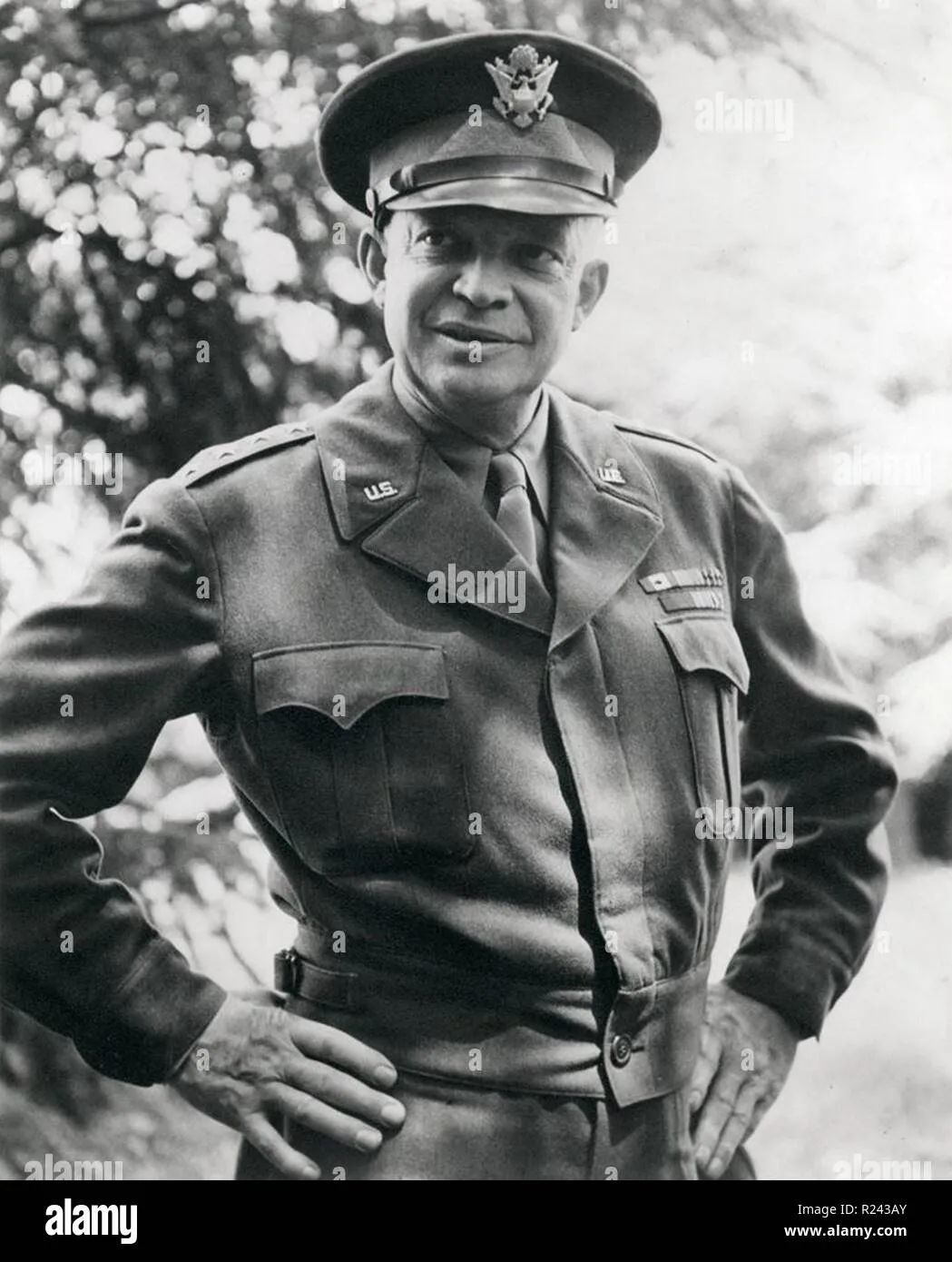 Photo: Eisenhower, via c8.alamy.com
The Infrastructure Nobody Noticed
Postwar America was, by almost any measure, the golden age of organized male sociability. Fraternal organizations like the Elks, the Moose, the Odd Fellows, and the Knights of Columbus counted memberships in the millions. The Rotary Club alone had tens of thousands of chapters. Church leagues, union halls, American Legion posts, and VFW chapters filled in the gaps. And underneath all of it, threading through every city and suburb and small town, was the bowling alley.
At its peak in the late 1950s and early 1960s, more than twelve million Americans were enrolled in sanctioned bowling leagues. The bowling alley wasn't primarily a recreational facility. It was a social institution with a schedule. You showed up at the same time every week, you sat next to the same people, you competed against the same opponents, and you talked — about work, about sports, about nothing in particular — for two or three hours in a context that required no emotional labor to initiate and no planning to maintain. The league did all of that for you.
This is the part that tends to get underestimated. The genius of these institutions wasn't that they were fun, though many of them were. It was that they solved the logistics of adult friendship automatically. You didn't have to text anyone. You didn't have to find a mutually available evening six weeks out. You just showed up, because you always showed up, and the relationships built themselves around that regularity.
What It Actually Looked Like
Picture a man we'll call Ray. He's thirty-four, works at a manufacturing plant outside of Akron, Ohio, has a wife and two kids, and owns a modest house on a street where he knows every neighbor by first name. Ray doesn't think of himself as a particularly social person. He wouldn't describe his Tuesday bowling league as a meaningful friendship ritual. It's just Tuesday.
 Photo: Akron, Ohio, via thumbs.dreamstime.com
But across the course of a year, Ray spends roughly a hundred and fifty hours in the company of the same eight men at that alley. He knows who's having trouble at home, who got passed over for a promotion, who is quietly proud of a son who made the varsity team. He knows these things not because he asked, but because showing up consistently, week after week, creates the kind of low-pressure environment where things get mentioned. Nobody scheduled a vulnerable conversation. It just happened between frames.
Ray also attends the Elks lodge twice a month, serves on a committee for the church's annual fundraiser, and has a standing Sunday afternoon arrangement with three neighbors that has been going on so long that canceling it would require an actual excuse. His social life is, in the language of a later era, fully automated. He has never once in his adult life wondered how to make friends or worried that he didn't have enough of them.
The Unraveling
The sociologist Robert Putnam documented the collapse of this world in his landmark 2000 book Bowling Alone, and the title was not metaphorical. Between 1980 and the late 1990s, league bowling participation fell by more than forty percent even as the total number of people bowling actually increased. Americans were still going to the lanes — they just weren't joining leagues. They were showing up in informal groups, spending more per visit, and forming none of the durable connections that the league structure had quietly provided.
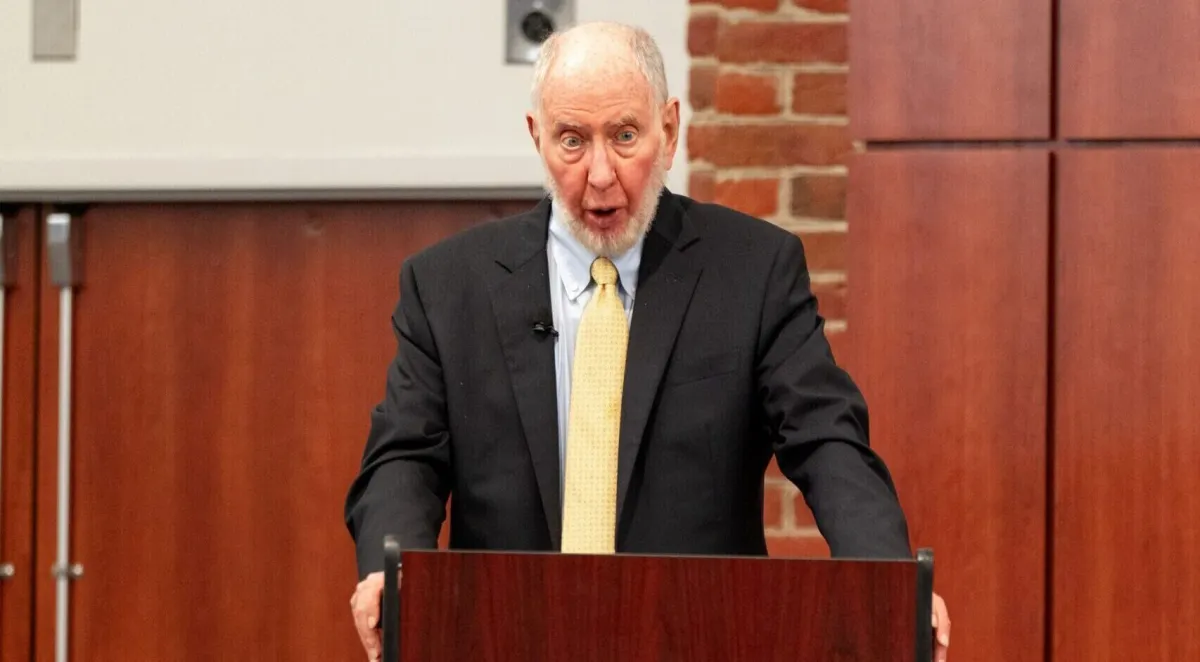 Photo: Robert Putnam, via www.furman.edu
The same pattern repeated across nearly every organized civic institution. Rotary membership fell. Lodge memberships declined. Union halls emptied out as manufacturing contracted and labor organizing weakened. The church leagues that had anchored so many communities began to thin as religious attendance itself dropped across denominations. One by one, the scheduled commitments that had structured male social life simply faded from the weekly calendar.
What replaced them? In theory, the freedom to socialize however and whenever you liked. In practice, for many men, not much. Adult friendship turns out to require exactly the kind of repeated, low-stakes, contextually-provided contact that institutions used to supply automatically. Without the structure, the friendships often don't form — not because men don't want them, but because the adult world provides almost no natural mechanism for building them.
The Cost of Going It Alone
The consequences aren't abstract. Research consistently links social isolation in men to elevated rates of depression, cardiovascular disease, and early mortality. A 2023 survey by the Survey Center on American Life found that fifteen percent of American men reported having no close friends at all — a figure that was essentially unthinkable in the postwar era. Men over fifty are particularly affected, finding themselves in retirement with professional identities gone and no institutional structure left to replace them.
Ray, our hypothetical Akron man, never needed to think about any of this. His Tuesday was already taken. His Thursday was already spoken for. The question of whether he had enough friends never occurred to him, because the answer was built into the week.
For his grandson, it's an open question — and one that turns out to be surprisingly hard to answer.