Bring Your Own Jar and Leave With Exactly What You Need: America's Lost Art of Bulk Shopping
The Shopping Trip That Started at Home
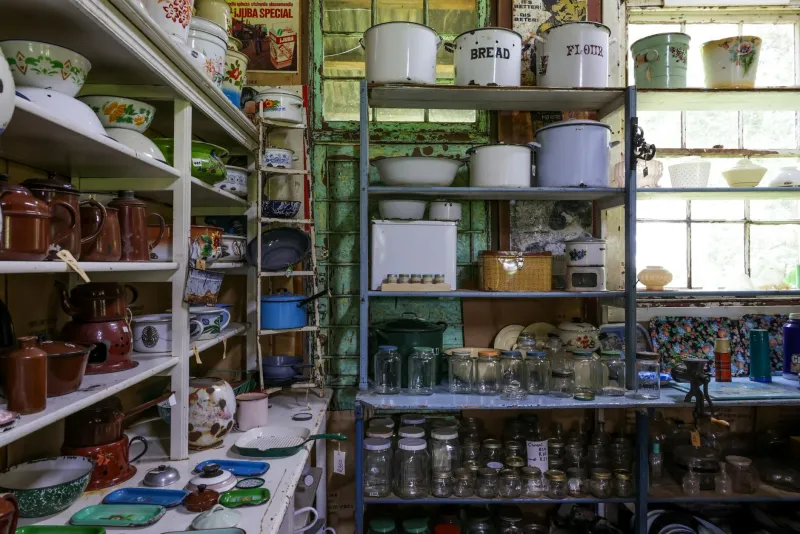
Before you left for the grocery store, you gathered your supplies: a collection of glass jars in various sizes, brown paper bags from previous trips, and maybe a cloth sack or two. Shopping wasn't just about making a list—it was about bringing the right containers for what you planned to buy.
At the neighborhood grocery, you didn't push a cart through aisles of pre-packaged goods. Instead, you approached wooden barrels, glass-fronted bins, and open containers filled with everything from flour to coffee beans to pickles. The grocer would weigh out exactly what you needed, whether that was two pounds of sugar or a quarter-pound of cheese, and package it in whatever container you brought or in paper twisted into neat parcels.
This wasn't alternative shopping—it was just shopping, the way Americans bought food for centuries before individually wrapped everything became the norm.
The Grocer Who Knew Good from Bad
Bulk shopping required grocers who actually knew their products. The man behind the counter could tell you which barrel of apples had just arrived from Washington, which wheel of cheese was at peak ripeness, and whether the coffee beans had been roasted that morning or last week.
This wasn't just product knowledge—it was expertise born from handling, smelling, and tasting the merchandise every day. Grocers would crack open a few nuts to check for freshness, examine produce for quality, and sometimes refuse to sell items they deemed inferior. Their reputation depended on the quality of what they measured into your jar.
Customers developed relationships with grocers based on trust and shared standards. A good grocer would remember that Mrs. Patterson preferred her coffee beans ground fine, that the Johnson family bought extra flour during canning season, and that old Mr. Thompson needed his cheese sliced thin because of his dentures.
The Economics of Exact Amounts
Bulk shopping allowed families to buy precisely what they needed and could afford. If you had fifty cents for coffee, the grocer would weigh out fifty cents worth of beans—no more, no less. If a recipe called for a cup of walnuts, you bought a cup of walnuts, not a pre-packaged bag that might contain twice what you needed.
This flexibility was especially important for families living paycheck to paycheck. You could buy a dime's worth of sugar, a nickel's worth of oats, or just enough flour to get through the week. There were no minimum package sizes forcing you to buy more than you could use or afford.
The system also reduced food waste dramatically. Families bought what they would consume before it spoiled, and anything left over could be stored in the same jars they'd brought to the store. Nothing was thrown away because it came in packaging too large for immediate use.
The Ritual of Measuring and Wrapping
Watching a grocer measure bulk goods was like watching a craftsman at work. He'd use brass scoops to transfer flour from barrel to scale, adjusting the amount with practiced precision until the needle hit exactly the weight you'd requested. Liquids like molasses or vinegar were ladled from large containers into smaller vessels, often with the help of a funnel.
Wrapping was an art form. Butter was cut from large blocks and wrapped in waxed paper. Cheese was sliced to order and wrapped in cloth. Dry goods were twisted into paper cones that kept contents secure while allowing easy access at home. Everything was packaged by hand, in materials that could be reused or composted.
The pace was unhurried, allowing for conversation and community connection. Shopping was a social activity that might include catching up on neighborhood news, discussing recipes, or getting advice about which cuts of meat were best for Sunday dinner.
When Brands Began to Matter More Than Relationships
The shift toward pre-packaged goods accelerated after World War II, driven by advances in packaging technology and the rise of national advertising. Companies like General Mills and Kellogg's convinced consumers that factory-sealed packages were more hygienic and convenient than bulk goods measured by hand.
 Photo: General Mills, via assets.stickpng.com
Supermarkets embraced pre-packaging because it reduced labor costs and allowed faster customer turnover. Instead of employing skilled grocers who could evaluate quality and measure accurately, stores could hire clerks who simply restocked shelves and operated cash registers.
National brands spent millions on advertising to convince Americans that consistency mattered more than freshness, that convenience was worth paying extra for, and that trusting a corporate logo was safer than trusting a local grocer's expertise.
The Hidden Costs of Convenience
Pre-packaged goods offered undeniable convenience—you could grab a box of crackers without waiting for someone to weigh them out, and you knew exactly how much you were buying before you reached the checkout counter. But this convenience came with costs that weren't immediately obvious.
Packaging added expense to every product, costs that were passed on to consumers. Food began to lose freshness during the time it spent sitting in warehouses and on shelves. Portion sizes became standardized rather than customized, forcing families to buy more than they needed or less than they wanted.
Most significantly, the relationship between consumers and their food became increasingly distant. Shoppers lost the ability to evaluate quality before purchase, to buy exact amounts, and to develop relationships with people who understood their preferences and dietary needs.
What We Lost in Translation
The disappearance of bulk shopping eliminated more than a way of buying food—it ended a culture of careful consumption and mindful purchasing. When you had to bring your own containers and specify exactly how much you wanted, every shopping decision was deliberate.
Families knew their consumption patterns intimately because they had to plan for them. They understood seasonal availability because bulk goods reflected what was actually fresh and in season. They developed relationships with food merchants who shared knowledge about preparation, storage, and nutrition.
The bulk shopping culture also supported local economies in ways that modern grocery chains cannot. Money spent at neighborhood groceries stayed in the community, supporting local families and creating economic relationships that strengthened social bonds.
The Return of Conscious Consumption
Today, bulk shopping is experiencing a modest revival among consumers concerned about packaging waste, food quality, and environmental impact. Modern bulk stores like Whole Foods Market offer updated versions of the old barrel-and-scoop system, complete with digital scales and hygienic dispensing systems.
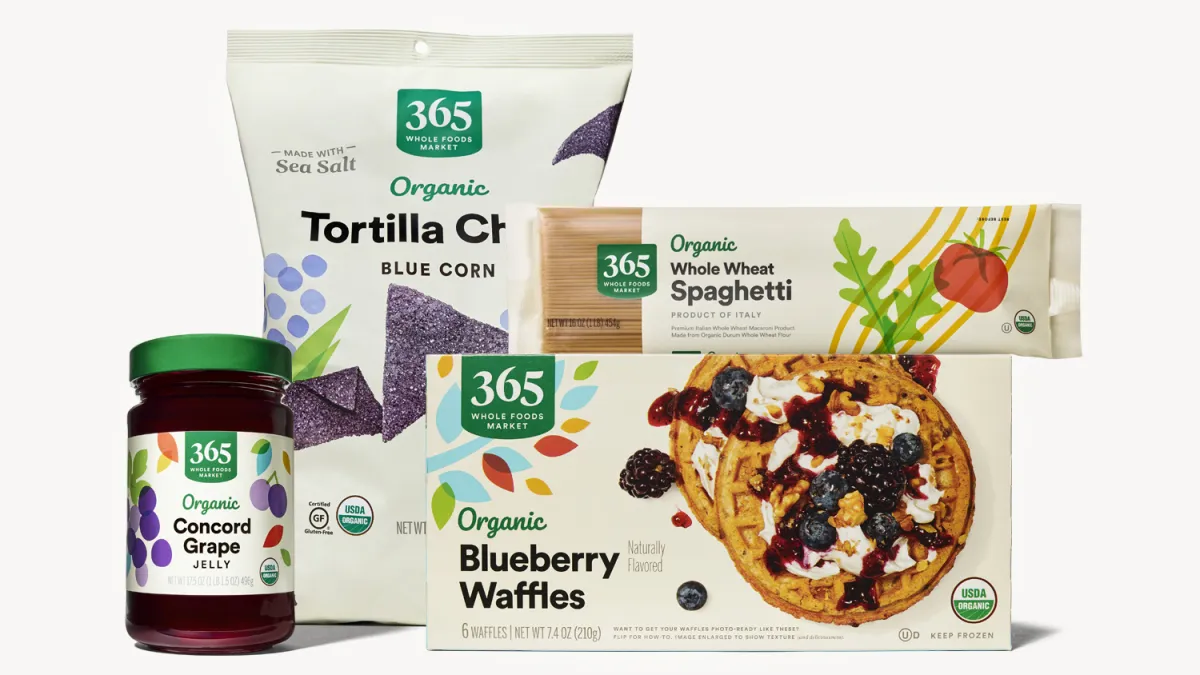 Photo: Whole Foods Market, via m.media-amazon.com
But contemporary bulk shopping often feels like a lifestyle choice rather than a practical necessity. It appeals to environmentally conscious consumers who can afford to prioritize sustainability over convenience, rather than serving families who simply want to buy exactly what they need.
The old bulk shopping culture wasn't about making a statement—it was about practical economics, food quality, and community relationships. It represented a time when shopping was a skilled activity that required knowledge, planning, and social interaction.
More Than Nostalgia
The shift from bulk to packaged goods reflects broader changes in American life: the prioritization of convenience over quality, efficiency over relationships, and corporate consistency over local expertise. We gained speed and predictability, but we lost the ability to shop thoughtfully and consume mindfully.
Bulk shopping required Americans to think about their food—where it came from, how much they actually needed, and how to store it properly at home. It connected them to local merchants who shared knowledge and built community relationships around the most basic human need: nourishment.
That connection between consumer and food, mediated by knowledgeable local merchants, represented a different way of thinking about consumption itself—one that prioritized quality over quantity, relationships over transactions, and mindfulness over convenience. It's a shopping culture that modern Americans might find both challenging and surprisingly rewarding.