The Red Pole Still Remembers: When Your Barber Could Save Your Life
The Pole That Tells a Bloody Story
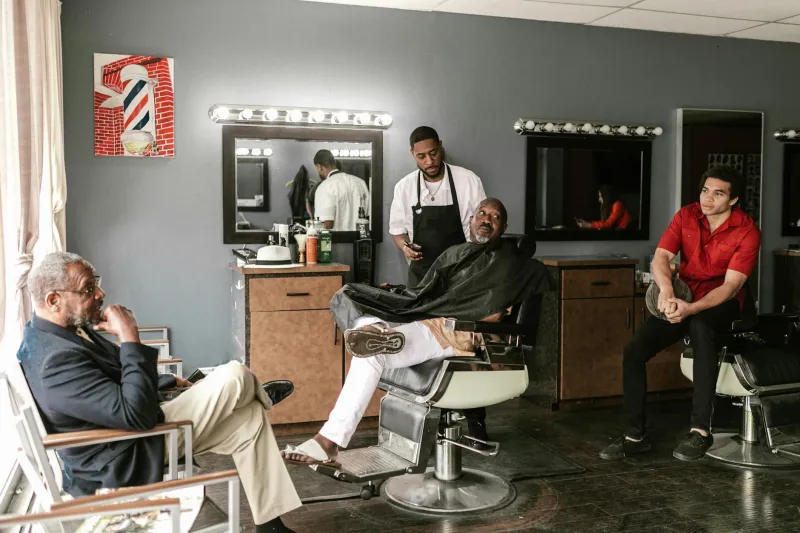
Every time you pass a barbershop, you're looking at one of history's most enduring advertisements for medical services. That iconic red-and-white striped pole isn't a quaint decoration—it's a 500-year-old sign that once told passersby: "The man inside can cut your hair, pull your teeth, set your broken bones, and drain your blood to cure whatever ails you."
The red represents blood, the white represents bandages, and the pole itself represents the stick patients gripped during painful procedures. For centuries, this symbol meant you could get everything from a shave to life-saving surgery in the same chair.
One Man, Every Problem
In medieval Europe and colonial America, the barber-surgeon was the closest thing most communities had to comprehensive healthcare. These weren't two separate professions that happened to overlap—they were literally the same job. The reasoning was brutally practical: both trades required sharp instruments, steady hands, and the ability to work precisely on the human body.
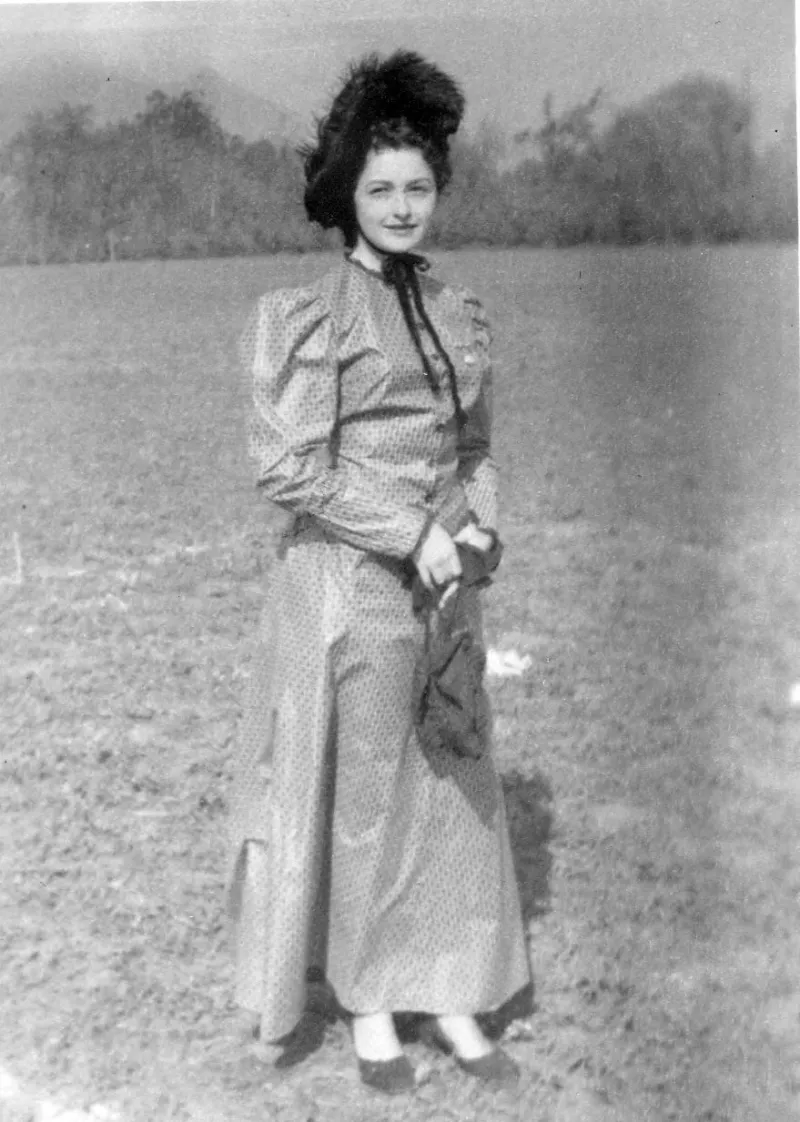
 Photo: colonial America, via cdn.britannica.com
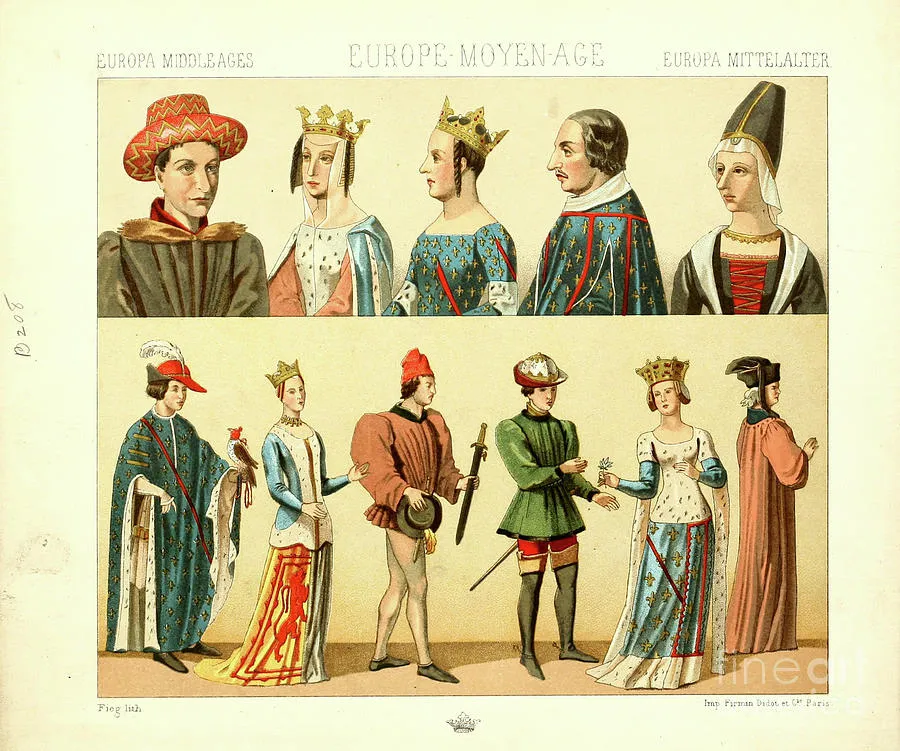 Photo: medieval Europe, via images.fineartamerica.com
Your neighborhood barber-surgeon would start his day trimming beards and cutting hair, then seamlessly transition to extracting teeth, lancing boils, setting broken bones, and performing bloodletting treatments. He might deliver a baby in the afternoon and amputate a gangrenous limb in the evening. All in the same shop, often using the same tools.
The barbershop wasn't just a grooming establishment—it was the community medical center, emergency room, dental office, and surgical suite rolled into one.
The Science Behind the Madness
This wasn't random job combining. Medieval medical theory held that illness resulted from imbalanced "humors" in the body—blood, phlegm, yellow bile, and black bile. Bloodletting was considered essential treatment for everything from headaches to plague, and barbers were already comfortable working with sharp blades near major blood vessels.
Barber-surgeons also handled what physicians considered beneath their dignity. University-trained doctors diagnosed conditions and prescribed treatments, but they rarely touched patients. The actual cutting, stitching, and bone-setting fell to barbers, who learned their trade through apprenticeship rather than formal education.
This created a strange medical hierarchy: the educated physician who understood theory but avoided hands-on treatment, and the practical barber-surgeon who performed the actual procedures that saved or ended lives.
Tools of Two Trades
A typical barber-surgeon's toolkit would seem bizarre by modern standards. The same cabinet might contain:
- Razors for shaving and surgical incisions
- Scissors for hair cutting and wound care
- Forceps for tooth extraction and foreign object removal
- Bone saws for amputations
- Cupping glasses for bloodletting
- Cauterizing irons for wound sealing
- Various knives for different surgical procedures
The barbershop chair served multiple purposes: comfortable seating for haircuts, restraint system for tooth extractions, and operating table for surgery. Customers never knew whether they'd leave looking better or feeling worse.
The Bloodletting Business
Bloodletting was perhaps the barber-surgeon's most important medical service. Based on the belief that illness stemmed from excess blood, practitioners would make strategic cuts to drain "bad blood" from patients. The red-and-white pole advertised this service as prominently as haircuts.
Barber-surgeons developed sophisticated techniques for bloodletting. They knew which veins to open for different conditions, how much blood to drain based on the patient's age and constitution, and when to stop before causing dangerous blood loss. Many patients genuinely felt better after bloodletting—partly due to the placebo effect, partly because some conditions actually improved with reduced blood pressure.
The practice wasn't entirely wrong, just wildly overapplied. Bloodletting can help with certain conditions like polycythemia, but medieval barber-surgeons used it to treat everything from broken bones to mental illness.
When Specialization Split the Trade
The barber-surgeon tradition began fragmenting in the 18th and 19th centuries as medical knowledge advanced. Universities started requiring formal training for surgical procedures. Licensing boards emerged to regulate medical practice. The rise of hospitals created centralized locations for complex treatments.
By 1800, most American communities still relied on barber-surgeons for basic medical care, but the profession was dividing. Some practitioners focused increasingly on barbering, while others pursued formal medical training. The Civil War accelerated this split—battlefield medicine demanded specialized surgical knowledge that traditional apprenticeship couldn't provide.
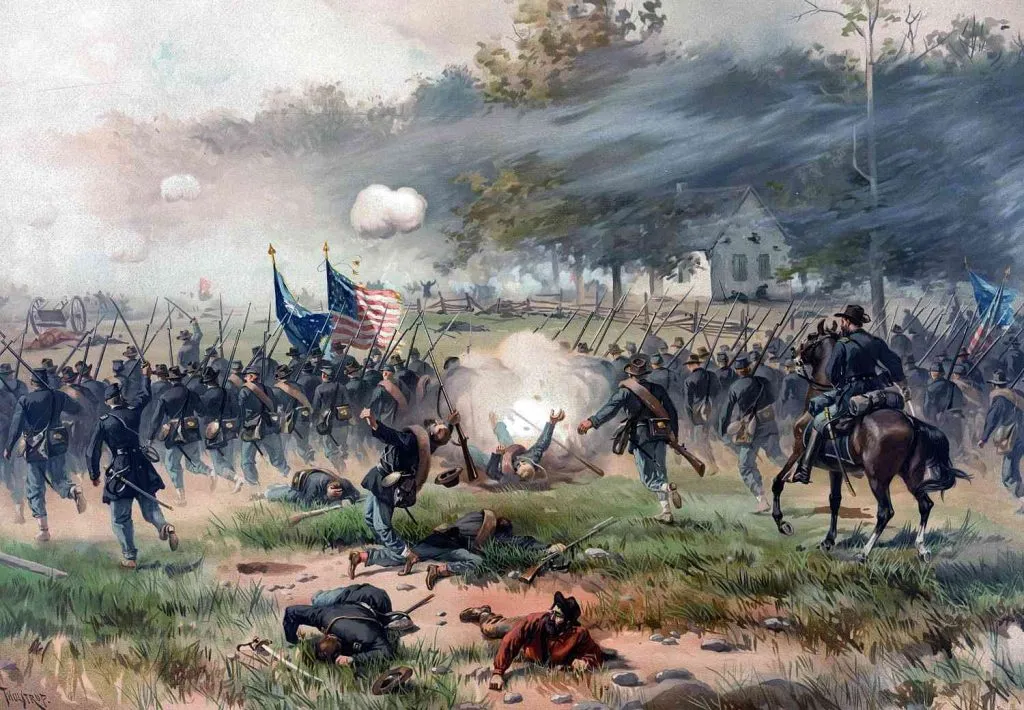 Photo: Civil War, via us-military.net
By 1900, barbering and medicine had largely separated into distinct professions, though some rural barber-surgeons continued practicing both trades well into the 20th century.
The Last of the Dual Practitioners
The final American barber-surgeons didn't disappear until surprisingly recently. In remote areas where doctors were scarce, barbers continued providing basic medical services through the 1940s and 50s. They pulled teeth, treated cuts, and handled medical emergencies when no other help was available.
Some specialized services persisted even longer. Barber-dentists continued extracting teeth in rural communities through the 1960s. The last barber-surgeon in America reportedly closed his practice in the 1970s, ending a 500-year tradition of one-stop healthcare and grooming.
What We Lost in Translation
The death of the barber-surgeon represents more than professional specialization—it reflects how dramatically we've compartmentalized expertise. Medieval communities had one trusted person who handled everything from appearance to health crises. Today, we navigate separate systems for dental care, medical treatment, surgical procedures, and even different specialists for different body parts.
This specialization brought enormous improvements in care quality and safety. Modern surgeons know infinitely more about anatomy and surgical technique than any barber-surgeon could. But we also lost something: the comfort of having one knowledgeable person who knew your complete health history and could address multiple needs in a familiar setting.
The Pole Remembers
Next time you see a barbershop pole, remember what it once advertised: a place where the same skilled hands that trimmed your hair might also save your life. That red-and-white spiral is a reminder of an era when healthcare was personal, immediate, and available wherever you found a sharp blade and steady hand.
The pole endures because barbershops remain community gathering places where people trust someone with sharp instruments near their most visible features. We've just forgotten that for most of human history, that trust extended far beyond grooming—it was literally a matter of life and death.