Where You Lived Was Where You Learned: The Death of the Neighborhood School
The Principal Who Lived Three Blocks Away
In 1955, if you asked a kid in Cedar Rapids, Iowa, how to get to their school, they'd point down the street. Not across town, not to the other side of the district — down the street. The red brick building with the American flag out front was where everyone in the neighborhood went, from the banker's daughter to the mechanic's son.
Mrs. Henderson, the third-grade teacher, lived in the yellow house on Maple Street. She bought her groceries at Kowalski's corner store, the same place where her students' mothers picked up milk and bread. When Tommy Martinez struggled with reading, she'd stop by the family's front porch on her evening walk to chat with his parents in a mix of English and the Spanish she was slowly learning.
This wasn't exceptional. This was America.
When Schools Belonged to Streets, Not Systems
The neighborhood school was more than an educational institution — it was the social center of American community life. Parent-teacher conferences happened in living rooms. The school nurse knew which kids came from homes where dinner wasn't guaranteed. Teachers stayed late not because of mandated professional development, but because they were coaching the basketball team or directing the Christmas pageant.
Funding came primarily from local property taxes, which meant schools reflected their communities directly. A farming town's curriculum included agriculture and home economics. Urban schools focused on preparing students for factory work or clerical jobs. The school board wasn't a political stepping stone — it was made up of the hardware store owner, the pastor's wife, and the guy who ran the filling station.
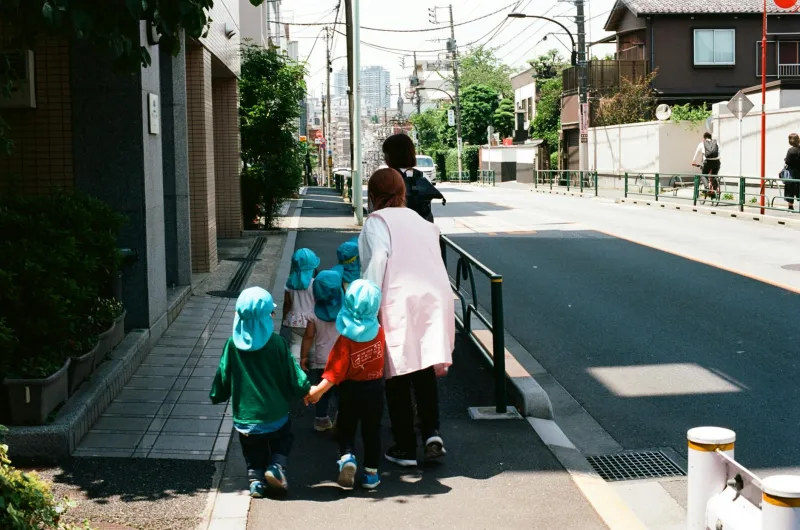
Children walked to school because schools were built within walking distance. The concept of a "school zone" meant the area where kids crossed streets, not a complex map of district boundaries drawn by committees.
The Great Reshuffling Begins
The transformation started with good intentions. Brown v. Board of Education in 1954 rightfully dismantled segregated schools, but the implementation created something unprecedented: the idea that where you went to school didn't have to be where you lived.
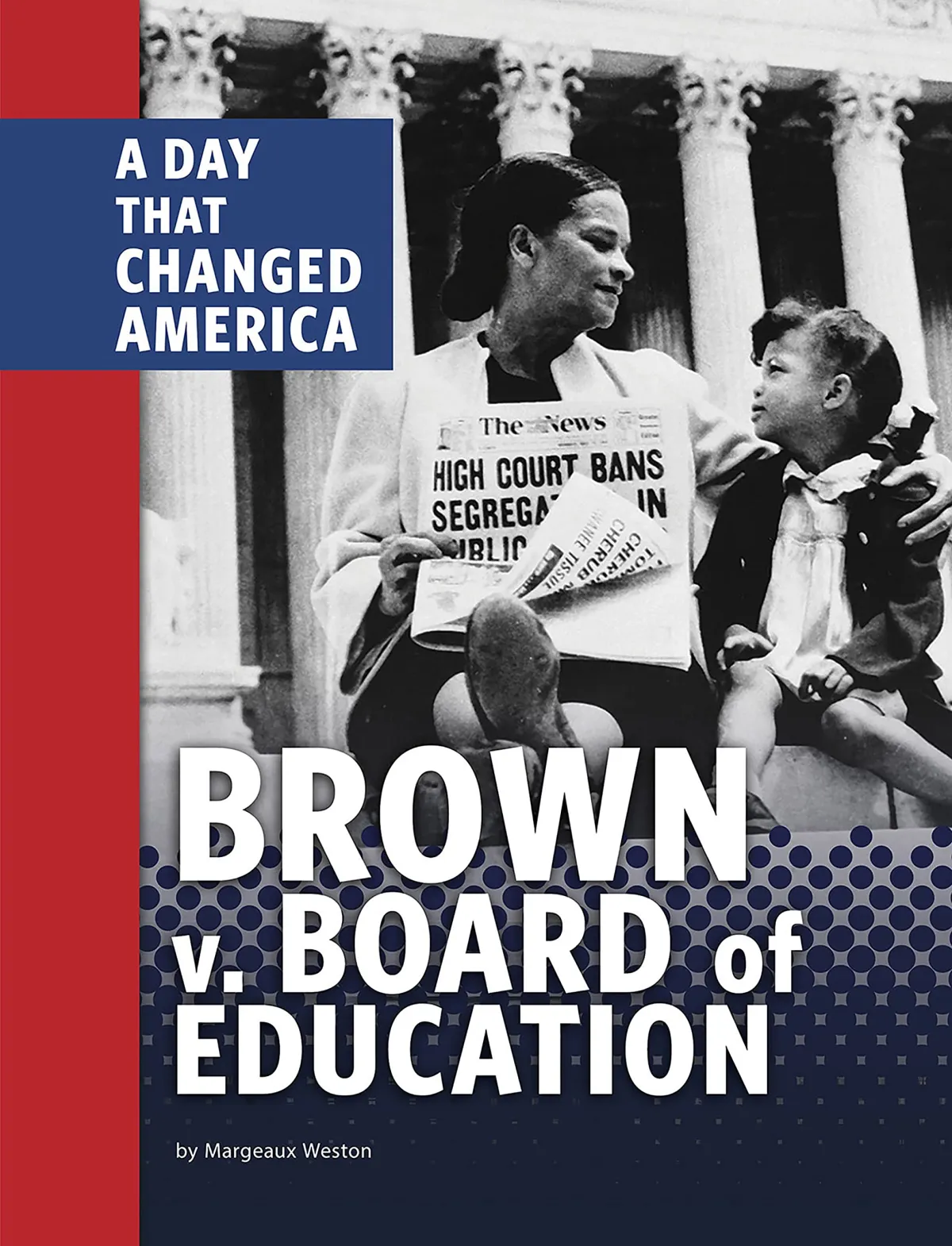 Photo: Brown v. Board of Education, via images-na.ssl-images-amazon.com
Busing programs in the 1960s and 70s moved children across cities in the name of integration. Magnet schools emerged, offering specialized programs that drew students from across districts. The neighborhood school, once as fixed as the mailbox and the corner streetlight, became just one option among many.
By the 1990s, school choice had evolved into an industry. Charter schools, voucher programs, and open enrollment policies turned education into a marketplace where savvy parents researched test scores, toured facilities, and strategized about lottery applications like they were applying to college.
The Algorithm Decides Where You Learn
Today, finding the "right" school for your child requires spreadsheets, waiting lists, and sometimes moving to a different zip code entirely. Parents spend weekends at school fairs, collecting brochures and comparing programs they hope their children might win access to through random lottery drawings.
The teacher who lives in the neighborhood? She probably can't afford to. Housing costs have pushed educators out of the communities where they work, turning the evening grocery store encounter into a relic of the past. Many teachers now commute an hour each way to schools where they know the students' test scores better than their family stories.
School choice advocates argue this system provides opportunities that zip code shouldn't determine. They're not wrong — a gifted student in a struggling district can now access resources that would have been impossible in 1955. But something fundamental was lost in the exchange.
What Disappeared When Schools Became Destinations
The neighborhood school didn't just educate children — it wove communities together. When every family on the block sent their kids to Jefferson Elementary, school events became neighborhood events. The annual carnival, the spring concert, the Friday night basketball game — these weren't just school activities, they were community traditions.
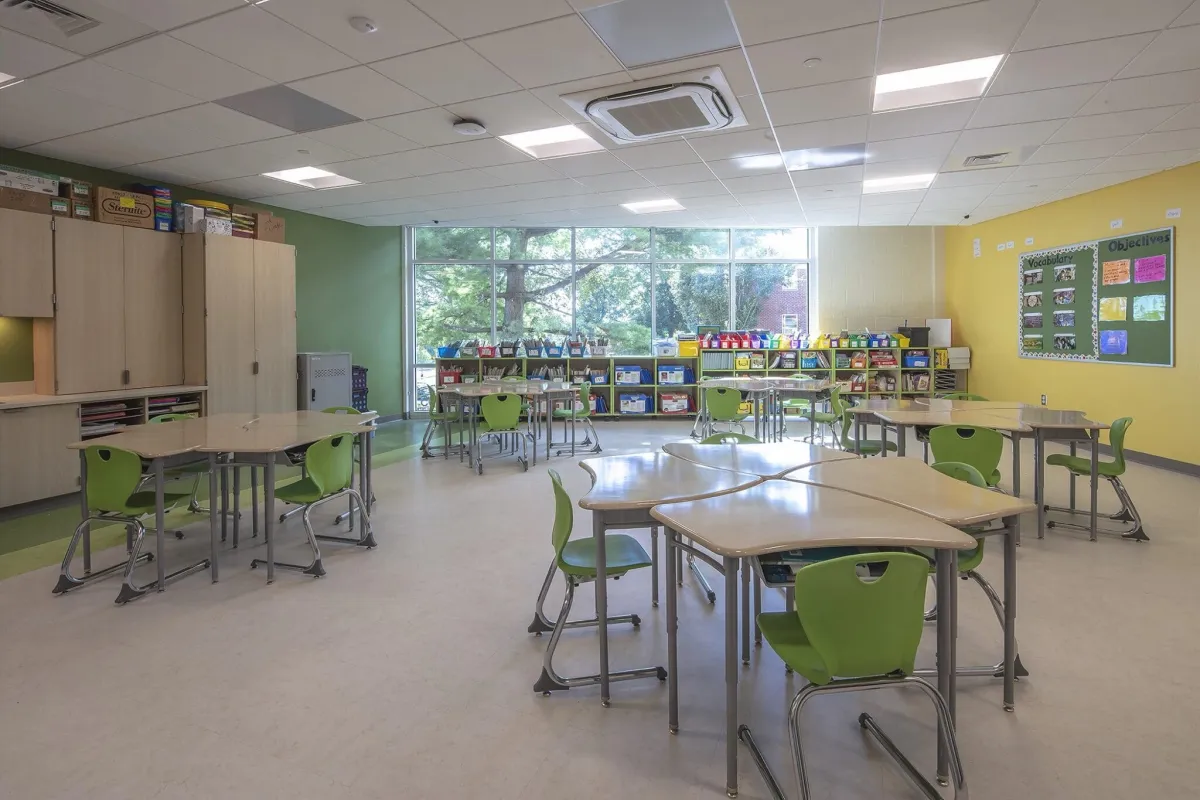 Photo: Jefferson Elementary, via newfieldconstruction.com
Teachers weren't just educators; they were neighbors who understood the rhythms of local life. They knew which families were struggling financially, which kids had grandparents who could help with homework, and which students needed extra attention because their parents worked double shifts.
The informal networks that kept communities connected — the carpools that became friendships, the volunteering that led to civic engagement, the shared investment in making the local school better — these relationships formed naturally when everyone had skin in the same game.
The Price of Choice
Modern American education offers more options than ever before. A student interested in marine biology can attend a specialized STEM magnet school. A child who learns differently can access programs designed for their specific needs. These opportunities represent genuine progress.
But the system now requires navigation skills that not every family possesses equally. Understanding application deadlines, researching school ratings, and accessing transportation to distant schools — these have become prerequisites for educational opportunity. The neighborhood school that served everyone has been replaced by a complex system that serves some very well and others hardly at all.
The community anchor that once brought neighbors together around shared investment in local children has been replaced by individual choice and market competition. We gained options but lost something harder to measure: the daily interactions that turned strangers into neighbors and schools into the heartbeat of American communities.
In trading the certainty of the neighborhood school for the possibility of the perfect school, we may have forgotten that sometimes the most important lessons happen not in the classroom, but in the community that surrounds it.