Before Dawn and After School: When American Kids Earned Their Own Money
The 5 AM Alarm Clock
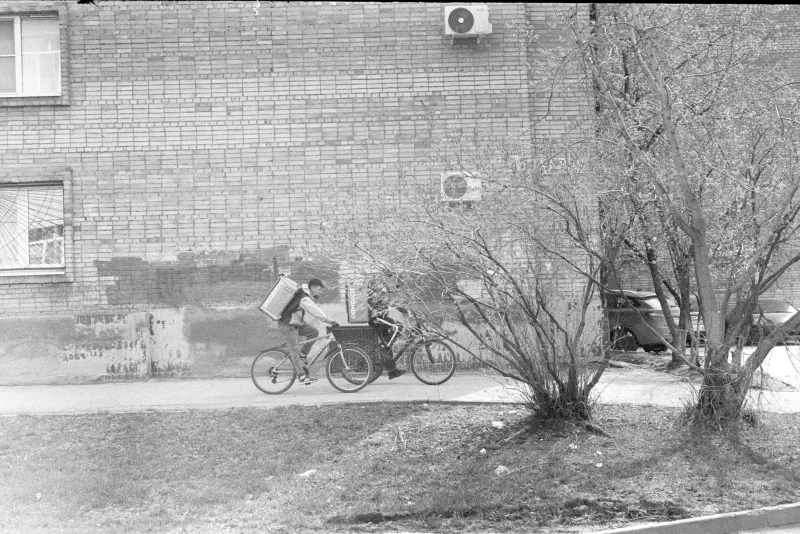
In neighborhoods across America, while most families slept soundly, an army of children was already at work. Every morning before sunrise, kids as young as ten would load canvas bags with newspapers, mount their bicycles, and begin routes that could stretch for miles. Rain, snow, or blazing heat—the papers had to be delivered.
This wasn't child labor in the exploitative sense. It was something distinctly American: the belief that children could and should contribute meaningfully to the economy, learn the value of money through earning it, and develop character through responsibility. A paper route wasn't just a job—it was a young person's first real encounter with the adult world of deadlines, customers, and consequences.
The economics were straightforward and honest. Kids earned a few cents per paper delivered, plus tips from satisfied customers. A decent route might bring in $15-20 per week—real money when a candy bar cost a nickel and a bicycle could be purchased for $30. More importantly, this was money they had genuinely earned through their own labor, not received as allowance or birthday gifts.
The Corner Store Academy
Beyond paper routes, American children found employment opportunities that seem impossible by today's standards. Grocery stores hired twelve-year-olds to bag purchases and carry them to customers' cars. Hardware stores employed kids to organize inventory and assist customers. Restaurants put teenagers to work washing dishes, busing tables, and learning the basics of food service.
These jobs operated on assumptions about childhood that have completely disappeared. Employers believed children could handle real responsibility. Parents trusted their kids to manage money, deal with adult customers, and navigate workplace relationships. Society saw youth employment as beneficial rather than problematic.
The work itself was often physically demanding. Bag boys lifted groceries all day. Paper carriers hauled heavy loads in all weather conditions. Restaurant workers stood for hours in hot kitchens. But this physical challenge was considered part of the educational value—young people learning that money came from effort, not entitlement.
Money With Meaning
What made childhood employment transformative wasn't just the earning—it was what kids did with their earnings. Without credit cards, student loans, or parental subsidies for every want, children learned to budget, save, and make spending decisions with genuine consequences.
A paper route might generate $60 per month. From that, a child might set aside $20 for school clothes, $15 for a bicycle fund, $10 for entertainment, and $15 for immediate spending. These weren't theoretical math problems—they were real financial decisions that determined whether you could afford new sneakers or had to wait another month.
Many kids opened their first savings accounts with money they'd earned themselves. Bank tellers knew these young customers by name, watched their balances grow, and offered advice about financial responsibility. The relationship between work and reward was immediate and clear.
The Apprenticeship System
Youth employment also served as an informal apprenticeship system. Kids working in hardware stores learned about tools, building materials, and customer service. Those employed in restaurants discovered food preparation, inventory management, and the hospitality business. Paper carriers developed route optimization skills, customer relationship management, and the discipline of daily routines.
Adult employers often took genuine interest in their young workers' development. Store owners would explain business principles, share career advice, and sometimes offer advancement opportunities. Many successful business owners traced their understanding of commerce back to childhood jobs that taught them how businesses actually operated.
These relationships also created intergenerational connections that strengthened communities. Kids worked alongside adults who weren't their parents or teachers, learning different perspectives on work, money, and responsibility. Adult employers gained insights into younger generations while providing guidance and mentorship.
The Liability Revolution
The decline of childhood employment began in the 1970s and accelerated through subsequent decades. Changing labor laws, increased liability concerns, and evolving ideas about child development combined to eliminate most traditional youth jobs.
Insurance companies began viewing young workers as unacceptable risks. Schools extended their demands on students' time through expanded homework, activities, and test preparation. Parents increasingly saw childhood as a time for education and enrichment rather than work and earning.
Newspaper delivery transformed from a neighborhood institution run by local kids to an adult job performed by drivers covering multiple routes. Grocery stores replaced teenage bag boys with adult employees or self-service systems. Restaurants hired older workers who could handle more complex responsibilities and legal requirements.
The Allowance Economy
As traditional youth employment disappeared, American families developed alternative systems for teaching money management. Weekly allowances replaced earned income. Parents began paying children for household chores that previous generations had considered basic family responsibilities.
But these replacement systems often lacked the key elements that made childhood employment educational. Allowances came without the discipline of showing up regardless of weather or mood. Chore payments didn't involve real customers who might complain about poor service. The connection between effort and reward became abstract rather than immediate.
Modern parents also began subsidizing their children's wants in ways that previous generations couldn't afford or wouldn't have considered appropriate. Instead of saving money from paper routes to buy bicycles, kids received bikes as birthday gifts. Rather than earning money for school clothes, parents provided complete wardrobes as basic necessities.
The Skills Gap
The elimination of childhood employment has created gaps in young people's development that extend far beyond financial literacy. Modern teenagers often reach college age without ever having held a real job, managed money they've earned, or navigated workplace relationships with adults.
These missing experiences show up in various ways. College students struggle with time management, having never juggled work and school responsibilities. Young adults enter the workforce without understanding basic employment expectations about punctuality, customer service, or accepting criticism from supervisors.
The delay in financial responsibility also extends adolescence in ways that may not serve young people well. When the first real job comes at eighteen or twenty-two, the learning curve is steeper and the consequences of mistakes more serious.
The Character Question
Beyond practical skills, childhood employment once served character development functions that are difficult to replicate through other activities. Getting up at 5 AM regardless of weather taught discipline. Dealing with difficult customers developed patience and communication skills. Managing money earned through personal effort created genuine appreciation for its value.
These lessons came with authenticity that's hard to manufacture through simulated experiences. When a paper carrier's earnings depended on customer satisfaction, the motivation to provide good service was real. When a bag boy's job depended on showing up reliably, punctuality became a necessity rather than a virtue to be taught.
Modern alternatives—volunteer work, internships, school-based entrepreneurship programs—provide valuable experiences but often lack the immediate consequences and genuine responsibility that made childhood employment so educational.
What We've Gained and Lost
The transformation of childhood from work to education and enrichment has brought undeniable benefits. Modern children have opportunities for learning, creativity, and development that previous generations couldn't imagine. Child labor protections prevent genuine exploitation. Extended education prepares young people for increasingly complex careers.
But we've also lost something valuable: the idea that children are capable of real contribution, genuine responsibility, and meaningful work. The assumption that young people need protection from all adult responsibilities may have gone too far, leaving them unprepared for the very adulthood we're trying to help them reach.
When we wonder why young adults seem less prepared for workplace responsibilities or financial independence, the disappearance of childhood employment offers one explanation. Learning to work, earn, and manage money are skills best developed through practice, not theory—and that practice once began much earlier in American life than it does today.