Two Signatures and a Down Payment: When Buying a House Was Actually Simple

When Your Word Was Your Bond
Jim Patterson walked into First National Bank of Cedar Rapids on a Tuesday morning in 1957 with his wife Mary and their savings account passbook. By Friday afternoon, they were hanging curtains in their new three-bedroom ranch house on Maple Street. The entire home-buying process—from handshake to house keys—took exactly four days.
 Photo: Maple Street, via labour.org.uk
 Photo: First National Bank of Cedar Rapids, via image3.slideserve.com
Today, that same transaction would require 60 to 90 days, involve at least a dozen professionals, and generate enough paperwork to fill a filing cabinet. What happened to the simple act of buying a house?
The Five-Minute Credit Check
In the 1950s, mortgage approval was refreshingly straightforward. Your banker knew you personally, or knew someone who did. Credit checks consisted of a phone call to your employer and maybe a chat with your previous landlord. If you'd been working the same job for two years and could put down 20 percent, you were golden.
Contrast that with today's credit reports that dissect every financial decision you've made since college. Modern lenders want to see two years of tax returns, three months of bank statements, pay stubs, employment verification letters, and explanations for every deposit over $500. One late credit card payment from 2019 can derail your entire application.
The irony? Default rates weren't significantly higher when banks relied on personal relationships instead of algorithms. Neighbors knew neighbors, and shame was a powerful motivator to keep up with mortgage payments.
The Inspection That Took Twenty Minutes
Home inspections in the 1950s were a casual affair. The buyer, seller, and maybe a contractor friend would walk through the house together, checking that the furnace worked and the roof wasn't leaking. If the foundation looked solid and the plumbing functioned, you were good to go.
Modern home inspections are forensic investigations that can stretch across multiple days. Professional inspectors armed with moisture meters, thermal imaging cameras, and electrical testers examine everything from radon levels to the age of the water heater. They generate reports thick enough to use as doorstops, cataloging every minor flaw that might require attention in the next decade.
This thoroughness prevents nasty surprises, but it's also created a culture where buyers expect perfection in homes that are often 50 or 100 years old. Deals regularly collapse over issues that 1950s buyers would have fixed with a weekend trip to the hardware store.
The Closing That Fit on One Page
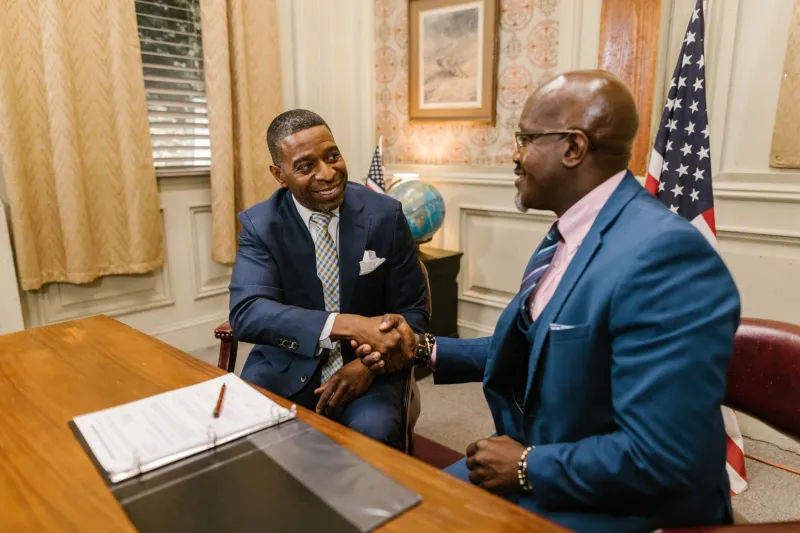
The closing process in mid-century America was elegantly simple. Buyers and sellers met at the bank or lawyer's office, signed a deed and a mortgage note, exchanged a check, and shook hands. The entire stack of documents was thinner than a restaurant menu.
Today's closing involves signing your name roughly 100 times across documents with names like "Truth in Lending Disclosure," "Closing Disclosure," and "RESPA Settlement Statement." Federal regulations require that buyers receive these documents three days before closing, ostensibly so they can review the terms. In practice, most people sign whatever their lawyer tells them to sign, making the extra time feel like bureaucratic theater.
When Lawyers Were Optional
Many 1950s home purchases happened without attorneys. Real estate agents handled the paperwork, banks processed the loans, and title companies ensured clean ownership transfer. The process was streamlined because everyone involved had clear, limited roles.
Modern real estate transactions involve an army of specialists: buyer's agents, listing agents, mortgage brokers, underwriters, appraisers, inspectors, title officers, and closing attorneys. Each professional adds a layer of protection—and a layer of complexity. What once cost a few hundred dollars in fees now routinely costs several thousand.
The Trust That Built Neighborhoods
The informal home-buying process of the 1950s reflected a high-trust society where people's reputations preceded them. Bankers lived in the same communities where they made loans. Real estate agents sold houses to their neighbors' children. Everyone had skin in the game beyond the immediate transaction.
This personal accountability created natural safeguards against fraud and predatory lending. When your banker coached your kid's Little League team, he wasn't going to stick you with a mortgage you couldn't afford.
What We Lost in Translation
The modern mortgage process, for all its complexity, offers genuine protections that didn't exist in the 1950s. Standardized appraisals prevent discrimination. Mandatory disclosures ensure borrowers understand their obligations. Professional inspections catch problems that could cost tens of thousands later.
But something valuable disappeared in the transformation: the idea that buying a home should be a straightforward transaction between neighbors. Today's process assumes everyone is either incompetent or dishonest, requiring layers of verification and protection that make simple transactions feel like international trade negotiations.
The Speed of Trust
Jim and Mary Patterson's four-day home purchase wasn't an anomaly—it was how things worked when communities were smaller and relationships mattered more than regulations. They bought their house the same week they decided they wanted it, moved in immediately, and spent thirty years paying off a mortgage they understood completely.
Their grandchildren, armed with pre-approval letters and inspection contingencies, spend months navigating a process designed to eliminate every possible risk. They end up with safer transactions but lose the simple pleasure of shaking hands on a deal and starting their new life right away.
Sometimes the fastest route between two points isn't a straight line—it's a foundation of trust that makes the whole journey unnecessary.