You Asked the Grocer for a Pound of Butter and Hoped He Liked You: The Revolution That Put Shopping in Your Own Hands
When Shopping Required Permission
Walk into any American grocery store today, and the freedom feels so natural you probably don't think about it. Grab what you want, compare prices, change your mind, put something back. But until the 1930s, grocery shopping worked more like visiting a pharmacy—you told someone behind a counter what you needed, and they decided what you got.
The clerk controlled everything: which brand of flour, what grade of meat, whether the "good" produce was available to you or reserved for better customers. Shopping wasn't browsing—it was negotiating through an intermediary who held all the power.
The Counter That Separated Classes
Traditional grocery stores were designed around a simple principle: customers stayed on one side of a wooden counter, merchandise stayed on the other. You couldn't touch products before buying them, couldn't compare options side by side, couldn't even see most of what was available. The grocer's job wasn't just to sell food—it was to control access to it.
This system reinforced social hierarchies in ways that seem almost medieval today. Regular customers got better service, fresher products, and more generous credit terms. Newcomers, minorities, or anyone the grocer didn't trust might find themselves paying higher prices for lower quality goods, with no way to verify what they were actually getting.
The grocer knew your family's financial situation, your eating habits, and your social standing in the community. He could extend credit or demand cash, offer premium products or push day-old bread, smile warmly or make you wait while he served more favored customers.
The Piggly Wiggly Revolution
In 1916, a Memphis entrepreneur named Clarence Saunders opened a store with a radical idea: let customers select their own groceries. He called it Piggly Wiggly, installed turnstiles at the entrance, and created aisles where shoppers could wander freely among clearly priced merchandise.
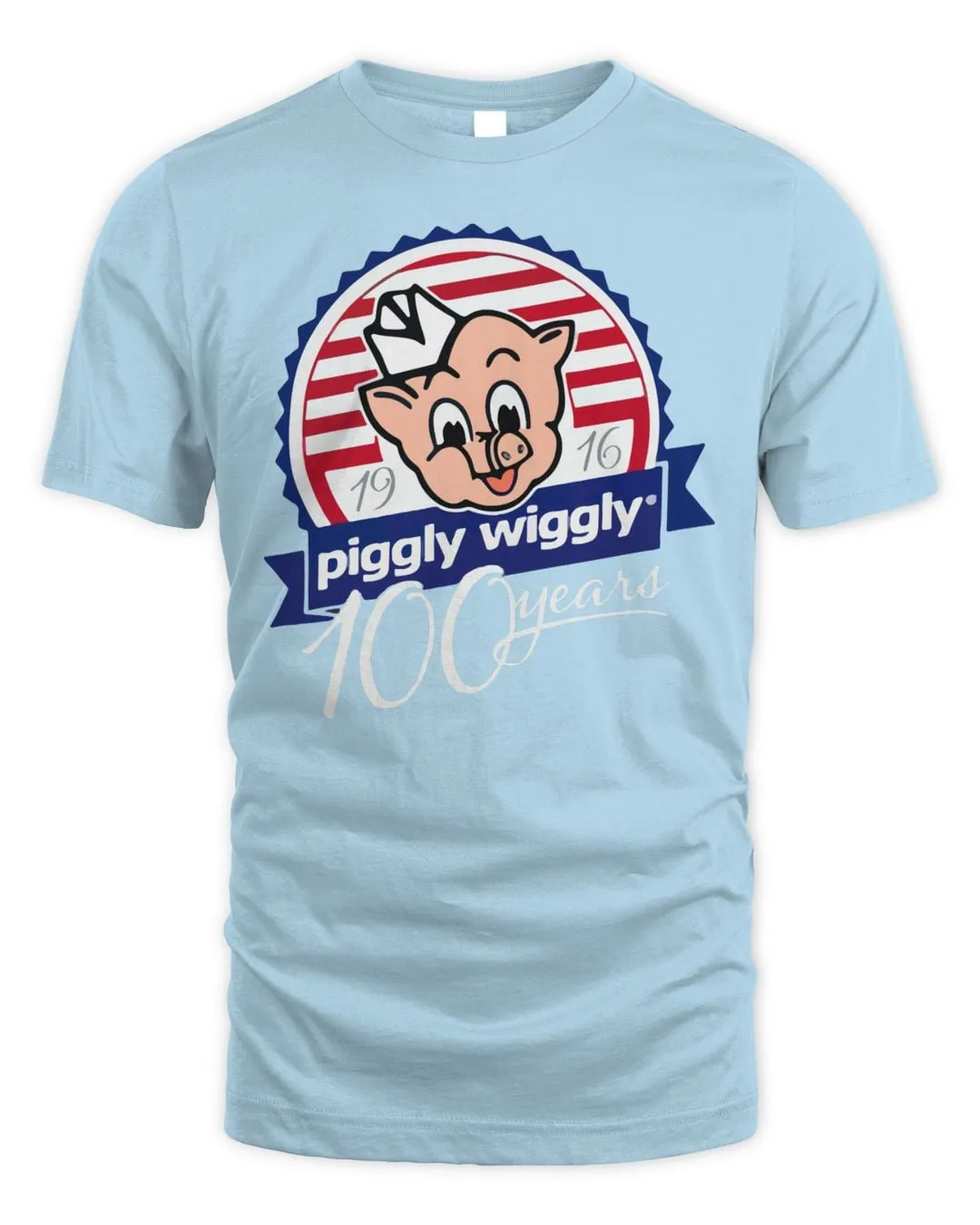 Photo: Piggly Wiggly, via images.cassivalen.com
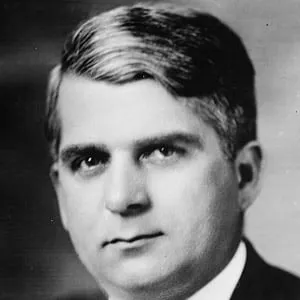 Photo: Clarence Saunders, via www.famousbirthdays.com
The concept was so foreign that Saunders had to post signs explaining how it worked. "Help yourself," the signs read, "then pay the cashier." Many customers initially stood at the entrance, waiting for someone to help them, unable to comprehend that they were allowed to touch products and make their own choices.
But once Americans understood the system, they embraced it with an enthusiasm that surprised everyone, including Saunders himself.
The Economic Earthquake Nobody Saw Coming
Self-service grocery shopping didn't just change how Americans bought food—it fundamentally altered the country's relationship with consumer choice and personal spending power. For the first time, ordinary people could comparison shop in real time, seeing exactly what they were getting for their money.
Prices became transparent and standardized rather than negotiable and variable. The same can of beans cost the same whether you were the banker's wife or the factory worker's daughter. This pricing democracy had profound economic implications that rippled far beyond grocery stores.
Supermarkets also enabled bulk purchasing and inventory turnover that dramatically reduced food costs. When grocers no longer needed to employ clerks to fetch every item, when customers could select their own products from efficiently organized displays, the entire economic model of food retail transformed.
The Birth of Consumer Psychology
Self-service shopping created something unprecedented in human history: the impulse purchase. When customers controlled their own movement through a store, merchants had to think differently about how to influence buying decisions. Product placement became a science. Eye-level shelving commanded premium prices. End-cap displays and checkout lane temptations entered the retail vocabulary.
Supermarkets pioneered the psychological manipulation techniques that now dominate all retail—from the way milk is placed at the back of the store to force customers to walk past other products, to the strategic use of shopping cart sizes to encourage larger purchases.
These weren't just business innovations; they were early experiments in consumer behavior that would eventually reshape how Americans thought about choice, desire, and spending money.
What the Grocer's Counter Actually Protected
The old clerk-service system wasn't just inefficient—it was a form of community financial regulation that disappeared almost overnight. Grocers who knew their customers personally could extend credit based on character rather than credit scores, adjust prices for families facing hard times, and provide informal financial counseling that helped people manage household budgets.
When shopping became anonymous and transactional, this informal support system vanished. The grocer who might have quietly helped a struggling family by extending credit or suggesting less expensive alternatives was replaced by checkout clerks who processed transactions without personal knowledge or community investment.
The Speed of Transformation
The transition from clerk service to self-service happened with stunning speed. By 1940, less than 25 years after the first Piggly Wiggly opened, self-service supermarkets dominated American grocery retail. Entire generations of shopping customs disappeared within a single decade.
This wasn't gradual cultural evolution—it was rapid economic disruption that permanently altered how Americans related to commerce, choice, and community. The corner grocer who knew your grandmother's preferences and your father's credit worthiness became an extinct profession almost as quickly as the lamplighter or the iceman.
The Hidden Cost of Convenience
Modern supermarkets offer unprecedented choice, competitive pricing, and shopping convenience that would astound Americans from a century ago. But they also eliminated the personal relationships and community accountability that once characterized neighborhood commerce.
Today's grocery shopping is efficient, anonymous, and economically optimized. What we gained in convenience and consumer power, we lost in personal connection and community integration. The transformation reveals how quickly fundamental aspects of daily life can change, and how innovations that seem purely positive often carry hidden costs that only become visible in retrospect.