Three Hundred Dollars Fed Everyone You Knew: How American Weddings Became Million-Dollar Productions
When Your Whole Block Showed Up
Walk through any American neighborhood in 1950, and chances are you'd hear about the upcoming wedding three blocks over. Not because it was gossip-worthy, but because everyone was invited—and everyone was contributing something. Mrs. Patterson would bring her famous potato salad, the Johnsons would loan their good china, and Uncle Frank would play accordion until his fingers cramped.
The bride's dress? Probably her mother's, carefully altered by Aunt Rose who "had a way with a needle." The flowers came from someone's backyard garden. The reception happened in the church basement or the family's living room, with folding chairs borrowed from the fire station.
Total cost for feeding 100 people and celebrating until midnight: around $300. In today's money, that's roughly $3,500—still less than what modern couples spend on photography alone.
The Business of Forever
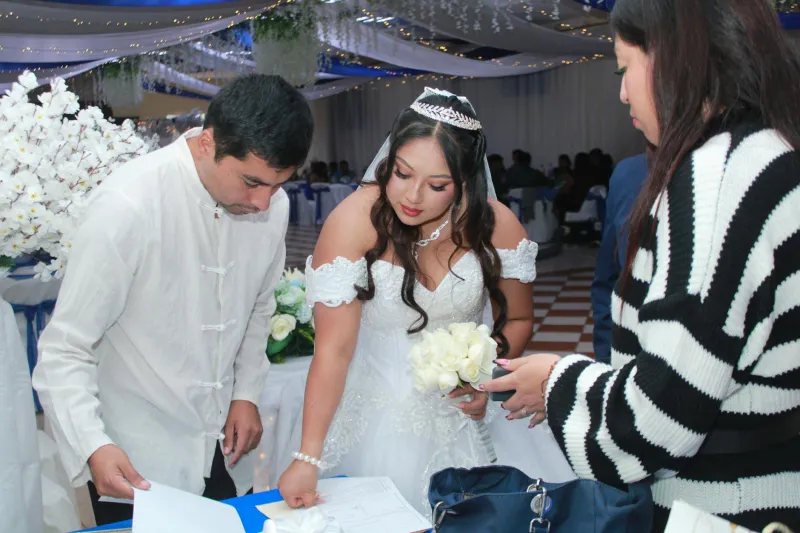
Fast-forward to today, and the average American wedding costs $35,000. That's not a typo. What used to be a community celebration has become a luxury production that requires professional coordination, months of planning, and often, significant debt.
The transformation didn't happen overnight. Through the 1960s and 70s, specialized wedding vendors began emerging. Caterers replaced potluck spreads. Professional photographers muscled out Uncle Bob with his Kodak. Florists convinced couples that backyard roses weren't "wedding appropriate." Each specialist came with expertise—and a price tag.
By the 1980s, bridal magazines were selling dreams that required professional execution. The "wedding industry" had been born, complete with consultants, planners, and vendors who spoke a language of "your special day" that somehow justified exponentially higher costs.
From Potluck to Production
Consider what $35,000 actually buys in 2024. The venue alone often costs $10,000—for a single day's use of a space. Professional photography runs $3,000-5,000. Flowers that will wilt in 24 hours cost $2,000. A dress worn once averages $1,500.
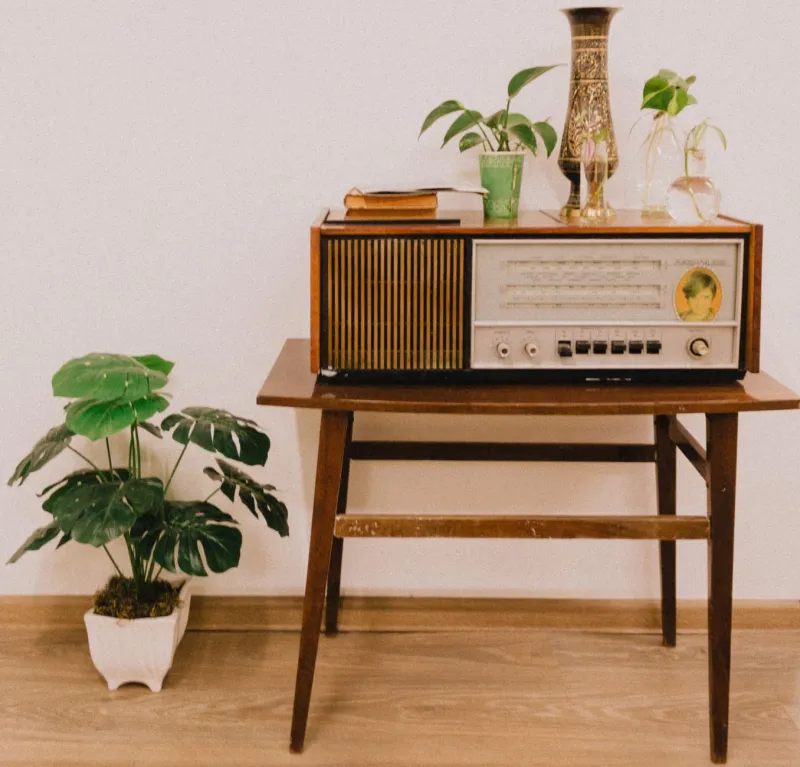
Meanwhile, that 1950s couple got married in their home church (free), wore family heirlooms (free), ate food prepared by people who loved them (cost of ingredients only), and danced to music played by someone's cousin who "knew how to work the radio."
The emotional architecture changed too. Wedding planning has become a part-time job for engaged couples, consuming months of weekends visiting vendors, comparing packages, and making decisions about details their grandparents never considered. The stress of orchestrating a perfect day often overshadows the joy of getting married.
The Community That Disappeared
Perhaps the most profound shift isn't financial—it's social. Those 1950s weddings weren't just cheaper because labor was donated; they were community-building events. Neighbors who helped set up chairs felt invested in the marriage's success. The elderly woman who made the cake became part of the couple's story. Children ran between tables, learning what celebration looked like.
Today's professional weddings are undeniably beautiful, but they're also isolated experiences. Guests arrive, eat a catered meal, and leave. The couple interacts primarily with vendors they'll never see again. The community investment that once surrounded new marriages has been replaced by consumer transactions.
The Price of Perfection
Modern couples often justify wedding expenses by calling them "once-in-a-lifetime" investments. But their great-grandparents understood something we've forgotten: the wedding isn't the marriage. Those $300 celebrations launched unions that lasted 50, 60, even 70 years—not because the flowers were perfect or the photographer captured every moment, but because the community that celebrated with them continued supporting them through decades of ordinary life.
The irony is striking. We spend more than ever on weddings while divorce rates remain high and community connections weaken. We've perfected the performance while losing sight of the purpose.
What We Traded Away
This isn't nostalgia for simpler times—it's recognition of what we traded for professional polish. Those borrowed dresses and homemade cakes represented something money can't buy: a web of relationships that extended far beyond the wedding day. When your marriage was celebrated by people who would also help you move, babysit your children, and check on you during illness, the ceremony itself was just the beginning of ongoing community support.
Today's couples often spend their first years of marriage paying off wedding debt, while their great-grandparents started married life with money in the bank and a neighborhood full of people invested in their success.
The $35,000 question isn't whether modern weddings are worth their cost—it's whether we've confused celebration with consumption, and whether the most important elements of marriage ceremonies were the ones we've priced ourselves out of.