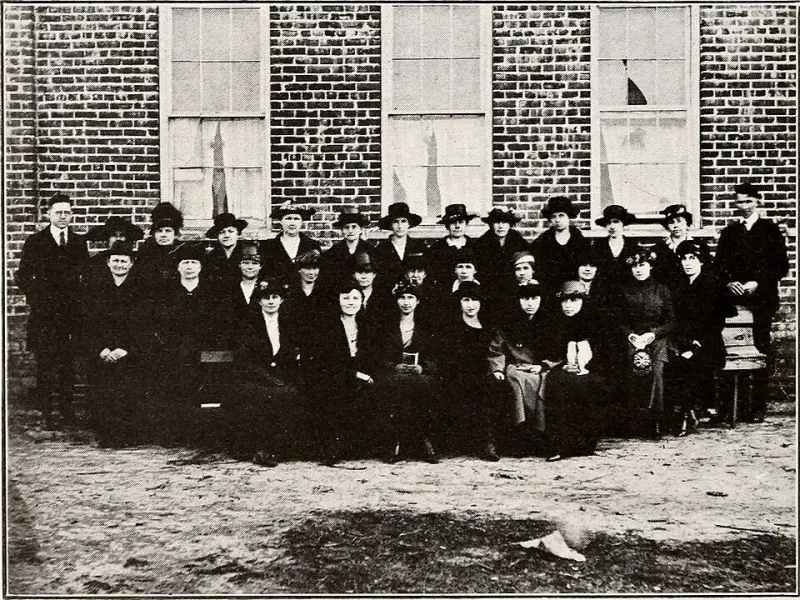
Nowhere Fast: When American Families Drove for Hours Just to Drive
The Weekly Ritual of Going Nowhere
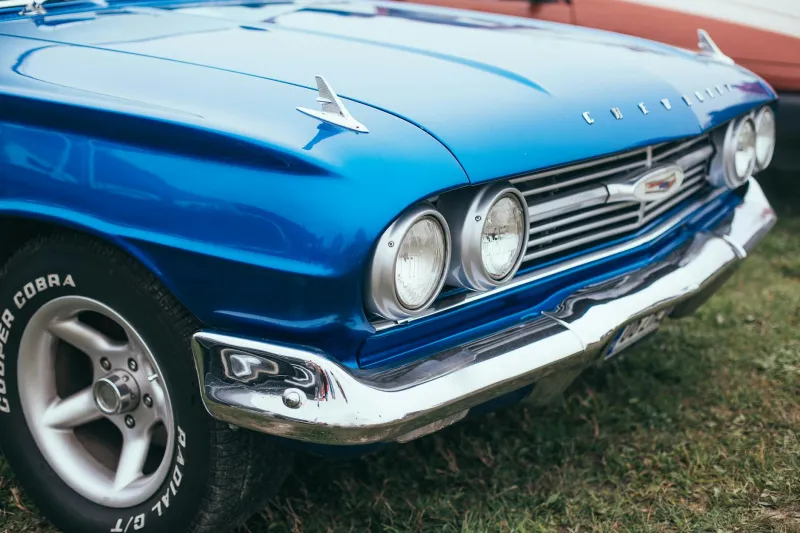
Every Sunday afternoon in 1962, the Hendersons of Akron, Ohio, performed a ritual that would puzzle most modern families. After church and Sunday dinner, Dad would announce, "Let's go for a drive," and the whole family would pile into their powder-blue Buick Special. They had no destination in mind, no route planned, and no schedule to keep. For the next two hours, they would simply drive through the countryside, windows down, radio playing, watching America scroll past at a leisurely 35 miles per hour.
 Photo: Buick Special, via www.ilovedetails.com
 Photo: Akron, Ohio, via website-assets.studocu.com
This wasn't vacation travel or weekend errands disguised as leisure. This was driving for the pure pleasure of driving, and it was as common as Sunday dinner across postwar America.
When Cars Were Entertainment Centers
The Sunday drive emerged in the 1920s but reached its golden age in the 1950s and 1960s, when car ownership became universal but entertainment options remained limited. Families had three television channels, one movie theater per town, and shopping that closed on Sundays. The family car represented freedom, adventure, and the closest thing to virtual reality that existed.
Driving became a form of family entertainment that cost nothing beyond gasoline. Parents could show their children the wider world beyond their neighborhood. Kids could spot license plates from distant states, count different breeds of cattle, or compete to find the most interesting roadside attraction. The car window was America's first screen-based entertainment, and the programming was infinitely variable.
The Art of Wandering
Sunday drivers perfected the art of productive wandering. They would take "the long way" everywhere, exploring back roads that led to forgotten towns, abandoned farmsteads, and scenic overlooks that existed solely for the pleasure of looking. These drives created an intimate knowledge of regional geography that GPS navigation has largely eliminated.
Families developed favorite routes that changed with the seasons: spring drives to see wildflowers, summer excursions to swimming holes, autumn tours of changing leaves, winter visits to ice-covered lakes. Each drive was a small expedition into the familiar-yet-unknown corners of their own region.
When Getting Lost Was the Point
Modern drivers experience getting lost as a minor catastrophe requiring immediate correction via smartphone. Sunday drivers of the 1960s considered getting lost a bonus feature. Wrong turns led to discoveries: a particularly beautiful stretch of farmland, an antique shop in an unexpected village, a roadside stand selling the best peaches in the county.
This tolerance for uncertainty reflected a different relationship with time itself. Sunday afternoons were specifically reserved for unproductive activities. Efficiency was for weekdays. Sundays were for meandering, both literally and figuratively.
The Social Infrastructure of Slow Travel
The Sunday drive created its own ecosystem of roadside businesses designed specifically for leisure travelers. Ice cream stands, roadside zoos, scenic overlooks with picnic tables, and "tourist traps" that existed purely to give families an excuse to stop, stretch, and spend a quarter on something completely unnecessary.
These businesses understood that Sunday drivers weren't trying to get anywhere quickly. They were trying to extend the pleasure of being away from home for as long as possible. A fifteen-minute stop at a roadside attraction could be the highlight of a child's week.
The Death of Purposeless Travel
Several forces conspired to kill the Sunday drive. Rising gas prices in the 1970s made recreational driving feel wasteful. Suburban sprawl eliminated the clear boundary between town and country that made "driving to the countryside" meaningful. The explosion of entertainment options gave families dozens of alternative ways to spend Sunday afternoons.
Most importantly, the American relationship with driving fundamentally changed. Cars became tools for efficient transportation rather than vehicles for exploration. Every trip acquired a specific purpose and an optimized route. The idea of driving for hours without a destination began to seem like a waste of time and fuel.
When GPS Killed the Scenic Route
Modern navigation systems optimize for speed and efficiency, automatically routing drivers around the small towns, scenic detours, and interesting roadside attractions that once made driving enjoyable. The "fastest route" rarely coincides with the most beautiful route, and algorithms don't account for the pleasure of discovery.
Today's drivers can travel from coast to coast without seeing anything more interesting than interstate rest stops and chain restaurants. The infrastructure of roadside America—the mom-and-pop diners, quirky museums, and scenic overlooks—has withered as traffic moved to limited-access highways designed for speed rather than sightseeing.
The Mindfulness We Lost
The Sunday drive represented a uniquely analog form of mindfulness. Families spent hours together without distractions, engaged in the simple act of observing the world around them. Conversations happened naturally, prompted by the changing landscape outside the windows.
Children learned geography organically, understanding how their hometown connected to the wider region. They developed what psychologists now call "spatial awareness"—an intuitive understanding of direction, distance, and landscape that GPS navigation has begun to erode.
The Luxury of Boredom
Perhaps most importantly, the Sunday drive provided families with something increasingly rare: structured boredom. With nothing to do but look out the window and talk to each other, families were forced to entertain themselves with observation, conversation, and imagination.
This boredom was productive in ways that researchers are only beginning to understand. It created space for creativity, family bonding, and the kind of unstructured thinking that psychologists believe is essential for mental health.
The Route Back Home
A few families still practice the Sunday drive, though they're swimming against the cultural current. Modern children, accustomed to constant stimulation, often struggle with the apparent purposelessness of recreational driving. Parents feel guilty about "wasting" time that could be spent on organized activities or household tasks.
But perhaps that's exactly why the Sunday drive deserves a revival. In an age of hyper-scheduled lives and GPS-optimized routes, there's something revolutionary about climbing into the car with no destination in mind, no schedule to keep, and no purpose beyond the simple pleasure of watching America roll past at whatever speed feels right.
The Hendersons of Akron knew something we've forgotten: sometimes the best way to get somewhere is to start by going nowhere at all.