Your Word Was Worth More Than Your Credit Score: When Corner Stores Ran on Handwritten Promises
The Ledger Book That Knew Everyone's Story
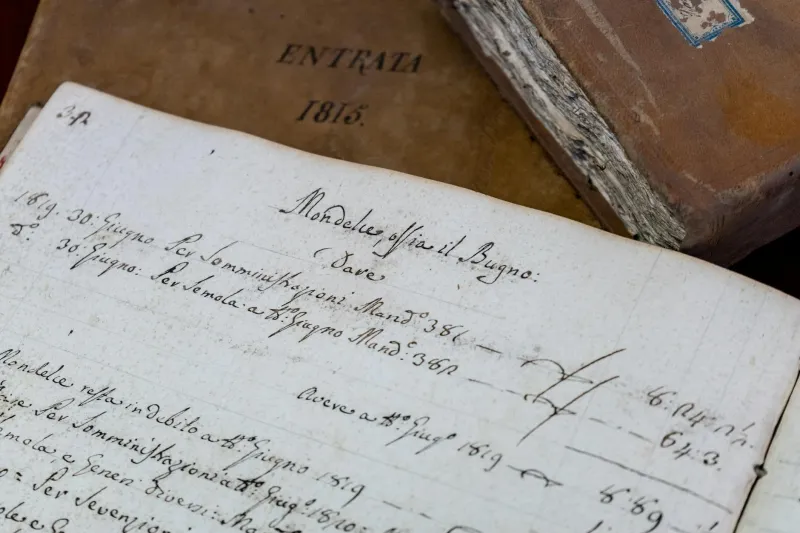
Behind the counter at Kowalski's Market, next to the cash register and the jar of penny candy, sat a thick notebook with a worn leather cover. Inside, written in careful script, were the names of half the neighborhood: "Murphy family - $12.50," "Mrs. Chen - $8.25," "The Johnsons - $15.75."
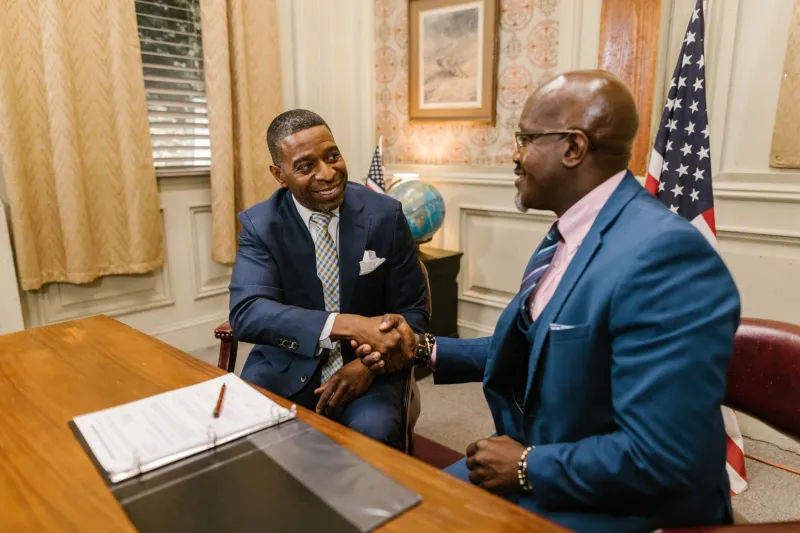
These weren't debt collections or overdue accounts. They were promises, recorded in pencil and settled with handshakes. When money was tight between paydays, when unexpected expenses hit, when winter lasted longer than the heating budget — families could still put food on the table because Stan Kowalski knew their word was good.
Every Friday evening, customers would stop by to "settle up." Stan would flip through his ledger, add up the week's groceries, and accept whatever payment families could manage. Sometimes it was the full amount. Sometimes it was half, with a promise to catch up next week. The system worked because it was built on relationships that went deeper than credit scores.
When Your Grocer Was Your Banker
This wasn't charity — it was business. But it was business conducted with an understanding of how real families lived. Paychecks came weekly or monthly, but groceries were needed daily. The corner store credit system bridged that gap with a flexibility that no financial institution could match.
Store owners like Stan weren't just retailers; they were informal community financiers who understood their customers' lives intimately. They knew which families had steady work and which dealt with seasonal layoffs. They knew who always paid their debts and who might need gentle reminders. Most importantly, they knew the difference between someone who couldn't pay and someone who wouldn't pay.
The corner store ledger was more sophisticated than it appeared. Stan tracked not just what people owed, but patterns of payment, seasonal fluctuations in family income, and the subtle social dynamics that determined creditworthiness in a world before credit reports. A widow with grown children who checked on her regularly was a better credit risk than a bachelor with a steady job but no community ties.
The Unwritten Rules of Neighborhood Credit
The system operated on unspoken protocols that everyone understood. You didn't abuse the privilege by running up huge tabs or buying luxuries on credit. The arrangement was for necessities — milk, bread, canned goods for dinner. Candy for the kids was acceptable; cigarettes and beer were cash transactions.
Regular customers earned trust gradually. A new family might start with small purchases, paying immediately, until Stan got a sense of their reliability. Long-time neighbors could charge groceries for weeks, knowing their reputation in the community guaranteed their account would be settled.
The social pressure to pay was intense but gentle. In a neighborhood where everyone knew everyone else, defaulting on your grocery tab wasn't just a financial failure — it was a social one. Your reputation for reliability was a currency more valuable than cash, and damaging it affected more than just your ability to buy groceries on credit.
Beyond the Corner Store
This informal credit system extended throughout neighborhood commerce. The local pharmacy kept similar tabs for regular customers who needed prescription medications between paychecks. Hardware stores allowed contractors to charge materials for jobs, settling up when they got paid by homeowners.
Barber shops, dry cleaners, and shoe repair shops all operated versions of the same system. The neighborhood economy ran on a web of personal relationships and mutual trust that made formal credit checks unnecessary. Your creditworthiness was determined not by a three-digit number calculated by distant algorithms, but by your reputation among people who saw you every day.
Even larger purchases worked this way. Furniture stores would deliver bedroom sets or kitchen tables with the understanding that payment would come in installments over months. Car dealers sold vehicles to customers they'd known for years, often with nothing more than a handwritten agreement about monthly payments.
The Rise of Plastic and Algorithms
Credit cards, introduced widely in the 1960s, began to disrupt this personal credit ecosystem. Suddenly, customers could make purchases without any relationship with the merchant. The plastic in their wallet was backed by banks that evaluated creditworthiness using standardized criteria rather than personal knowledge.
By the 1980s, computerized point-of-sale systems and inventory management made the handwritten ledger seem quaint and inefficient. Chain stores with centralized operations couldn't accommodate individual customer credit arrangements. The personal relationship between merchant and customer was replaced by corporate policies applied uniformly across thousands of locations.
Credit reporting agencies consolidated financial information into standardized scores that promised to predict payment behavior more accurately than personal acquaintance. The three-digit number generated by distant computers became more trusted than the opinion of someone who had known a family for decades.
The Walmart Revolution
Big box retailers and supermarket chains delivered lower prices and greater selection, but they couldn't replicate the flexible credit arrangements of neighborhood stores. Corporate policies prohibited individual credit decisions. Employees were trained to process transactions, not to develop relationships with customers.
The efficiency gains were undeniable. Computerized inventory systems reduced waste, bulk purchasing lowered costs, and standardized procedures eliminated the inconsistencies of personal judgment. But something irreplaceable was lost: the financial flexibility that helped working families manage the gap between income and expenses.
Self-checkout machines and contactless payments have further reduced human interaction in retail transactions. Today's grocery shopping experience is designed for efficiency and speed, not for the kind of ongoing relationship that made informal credit possible.
What Technology Can't Replace
Modern financial technology offers sophisticated credit products that the corner store ledger couldn't match. Buy-now-pay-later apps provide instant purchasing power. Credit cards offer rewards programs and fraud protection. Online banking makes payments convenient and automatic.
But these systems operate on different principles than Stan Kowalski's ledger book. They're designed to manage risk across millions of customers rather than to accommodate the specific circumstances of individual families. The algorithms are sophisticated, but they can't account for the nuances that made neighborhood credit work: the difference between temporary hardship and chronic irresponsibility, the value of community reputation, or the importance of maintaining dignity while accepting help.
The corner store credit system wasn't just about financial transactions — it was about community support disguised as commerce. When families struggled, the grocery tab provided a safety net that didn't require applications, approval processes, or bureaucratic scrutiny. It was help offered and accepted within the normal flow of daily life.
The Price of Progress
We gained a lot when commerce became computerized and standardized. Prices fell, selection improved, and financial services became more widely accessible. Credit scoring systems, for all their flaws, are probably fairer than the informal networks that sometimes excluded people based on demographics rather than creditworthiness.
But we also lost something valuable: the human element in financial relationships. The corner store ledger represented a different approach to credit — one based on personal knowledge rather than statistical prediction, on community relationships rather than corporate policies, on trust earned through daily interaction rather than scores calculated by distant algorithms.
In our rush to make commerce more efficient, we may have made it less humane. The handwritten ledger that Stan Kowalski kept behind his counter represented more than just a record of debts and payments — it was a testament to a time when your word was your bond, and your neighbor's trust was worth more than any credit score.