Show Up Monday, Start Tuesday: When Getting Hired Was a Conversation, Not a Process
The Coffee Shop Interview That Lasted Three Minutes
Frank DiMarco needed a job in 1962. He'd just gotten out of the Army and heard through his cousin Sal that Murphy's Auto Parts was looking for someone who knew engines. Frank walked into the shop on a Thursday morning, found Mr. Murphy elbow-deep in a carburetor, and said he was interested in work.
 Photo: Murphy's Auto Parts, via murphysautosales.ca
"You know the difference between a flathead and an overhead valve?" Murphy asked, not looking up.
"Sure do."
"Can you lift fifty pounds?"
"All day."
"Be here Monday at seven."
That was it. No application, no background check, no second interview. Murphy looked Frank in the eye, decided he seemed like the kind of guy who'd show up on time and work hard, and made a bet on him. The bet paid off — Frank worked there for thirty-seven years.
When Your Reputation Was Your Resume
In mid-century America, getting hired was less about credentials and more about connections. Not the networking-event, LinkedIn-profile kind of connections, but the organic relationships that formed when people lived, worked, and socialized in the same neighborhoods for decades.
The local diner was an unofficial job placement center. Contractors looking for workers knew to stop by around 6 AM when the guys who needed work gathered for coffee. Factory foremen hired based on recommendations from current employees who vouched for their neighbors, cousins, and drinking buddies.
"Help Wanted" signs in store windows weren't legal formalities — they were genuine invitations. A teenager could walk into the five-and-dime after school, ask if they needed help, and be stocking shelves by Saturday. The hiring process was immediate, personal, and based on gut instinct rather than algorithmic screening.
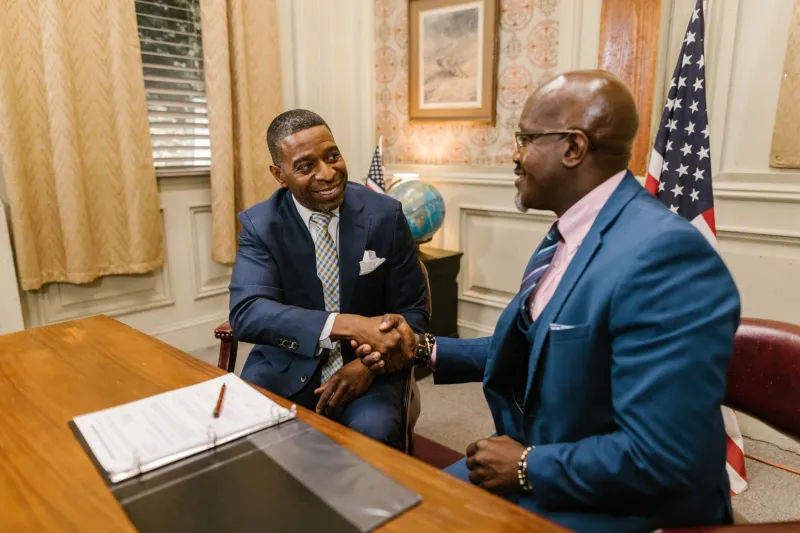
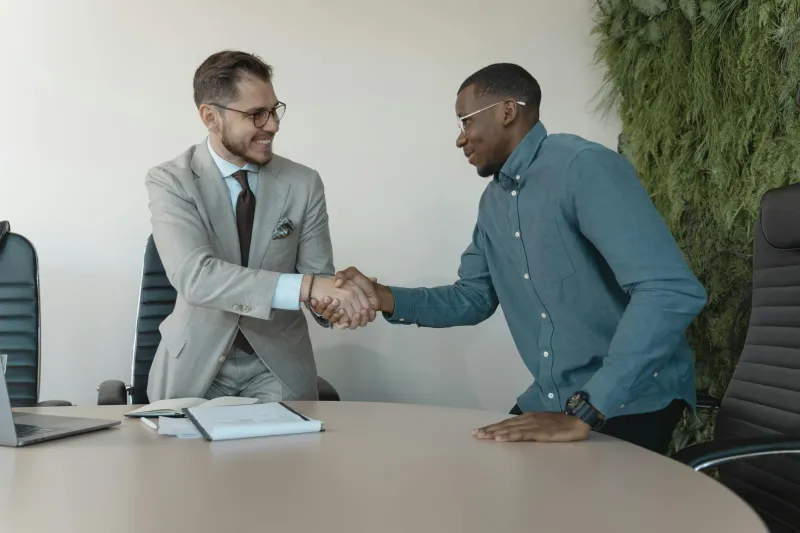
Employers made quick decisions because they had to. There were no databases to check, no automated systems to filter candidates. They relied on their ability to read people, ask the right questions, and make judgment calls based on a handshake and a conversation.
The Paperwork Revolution
Something shifted in the 1970s and 80s. Legal concerns about discrimination led to standardized application processes. Companies grew larger and more bureaucratic, requiring HR departments to manage hiring for multiple locations. The personal touch that had defined American employment began giving way to systematic procedures designed to be fair, consistent, and legally defensible.
Applications became longer and more detailed. References were required, then verified through formal processes. Background checks, once reserved for sensitive positions, became routine for jobs stocking grocery shelves. The quick conversation with the boss was replaced by multi-step interviews with different managers asking variations of the same questions.
By the 1990s, many companies had introduced phone screening as a preliminary step. Candidates who might have impressed in person were eliminated before they ever met a human being, filtered out by someone reading from a script in a different city.
Welcome to the Algorithm Economy
Today's job search is a digital endurance test. The average corporate job posting receives over 250 applications, most of which are filtered by software before any human sees them. Applicant Tracking Systems scan resumes for keywords, automatically rejecting candidates whose experience doesn't match predetermined criteria.
Job seekers spend hours crafting applications for positions they'll never hear back about. "Ghosting" — companies simply not responding to applications — has become so common that career counselors now advise treating it as the default outcome. The quick "yes" or "no" that Frank DiMarco received in 1962 has been replaced by algorithmic silence.
The interview process has become an elaborate performance. Candidates research company culture, practice answers to behavioral questions, and navigate multiple rounds of interviews that can stretch across months. Some companies require candidates to complete unpaid "test projects" or present detailed proposals for problems they may never actually work on.
When Machines Decide Who Gets to Work
The efficiency gains are undeniable. A single HR manager can now process thousands of applications using automated tools. Video interviews eliminate travel costs and scheduling conflicts. Background check services provide detailed reports in minutes rather than weeks.
But something human was lost in the digital translation. The ability to walk into a business, look someone in the eye, and convince them you're worth a chance — that's largely disappeared. Today's hiring process favors candidates who know how to optimize their LinkedIn profiles and navigate online application systems, not necessarily those who would excel at the actual job.
Small business owners often describe feeling trapped by their own hiring systems. They know the best employee they ever had wouldn't make it past their current screening process, but legal and insurance requirements push them toward standardized procedures that minimize risk while maximizing bureaucracy.
The Cost of Perfect Information
Modern hiring promises to match the perfect candidate with the perfect position using data, analytics, and scientific methodology. In reality, it often produces the opposite: qualified candidates eliminated by keyword filters and hiring managers paralyzed by too much information.
The neighborhood networks that once connected workers with opportunities have been replaced by platforms that claim to do the same thing more efficiently. But LinkedIn connections aren't the same as knowing someone's work ethic because you've seen them show up every day for twenty years. Online reviews of former employers can't capture the nuance of whether someone will fit into a specific workplace culture.
Employers now have access to credit scores, social media histories, and detailed background reports, but they've lost the ability to make quick decisions based on personal interaction. The five-minute conversation that hired Frank DiMarco has been replaced by processes so complex that some companies hire specialists just to manage their hiring.
What We Traded Away
The old system wasn't perfect. It often excluded people based on demographics rather than qualifications, and it favored those with existing social connections. But it also created opportunities for people to prove themselves based on character and work ethic rather than credentials and test scores.
When getting hired was a conversation rather than a process, both employers and workers took bigger risks on each other. Companies hired people they thought they could train rather than candidates who checked every box. Workers took jobs that might lead somewhere interesting rather than positions that perfectly matched their existing skills.
The handshake hire represented a different kind of social contract: immediate mutual assessment, quick commitment, and the understanding that both sides would figure it out as they went along. It was messier, less predictable, and probably less fair in many ways.
But it was also faster, more human, and based on the radical idea that sometimes the best way to find out if someone can do a job is to let them try it.
In our quest to make hiring more scientific, we may have made it less wise. The algorithms that promise to find the perfect candidate often miss the imperfect person who might become exactly what the company needs — if only they had the chance to walk through the door and make their case in person.