When a Toothache Could Kill You: The Century That Transformed American Dentistry
When a Toothache Could Kill You: The Century That Transformed American Dentistry
In 1920, if you developed a serious toothache, you had two choices: live with excruciating pain or visit the local "tooth puller" - often a barber who kept a pair of pliers alongside his razors. There was no novocaine, no sterile instruments, and definitely no gentle reassurance. You gripped the chair, bit down on a leather strap, and hoped for the best.
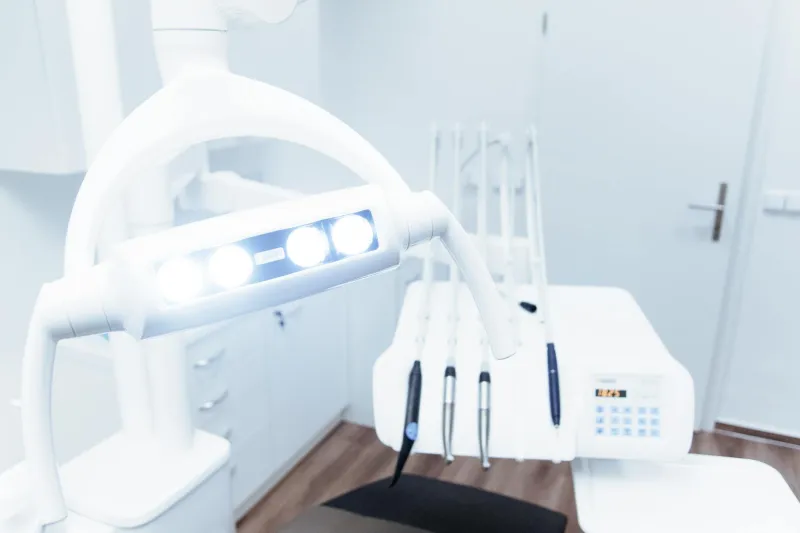
Today, millions of Americans schedule routine dental cleanings like oil changes, barely thinking twice about sliding into that familiar chair. The transformation of American dentistry represents one of the most dramatic shifts in healthcare - from medieval torture to modern comfort in just a few generations.
The Age of Dental Dread
Early 20th-century America treated dental problems as an unfortunate fact of life. Most "dentists" learned their trade through apprenticeship, not medical school. They worked without licenses, regulations, or any real understanding of infection control. A rusty pair of pliers and a strong grip qualified someone to extract teeth.
Anesthesia existed but remained expensive and unreliable. Most dental procedures happened while patients were fully conscious, leading to a culture where people simply avoided dental care until the pain became unbearable. Tooth loss was so common that dentures became a practical wedding gift - young couples received them knowing they'd need them within a decade.
The consequences extended far beyond discomfort. Dental infections regularly killed Americans. Without antibiotics, a simple abscess could spread to the bloodstream, causing sepsis and death. President Calvin Coolidge's son died in 1924 from an infected blister on his toe that developed after playing tennis, but similar tragedies from dental infections happened to ordinary Americans every day.
The Science That Changed Everything
The 1940s marked dentistry's turning point. Fluoride emerged as a game-changer when researchers discovered that communities with naturally fluoridated water had dramatically lower rates of tooth decay. Grand Rapids, Michigan became the first city to artificially fluoridate its water supply in 1945, and within a decade, children's cavity rates dropped by more than 60%.
Meanwhile, World War II accelerated medical advances that revolutionized dental care. Better anesthetics, improved sterilization techniques, and the mass production of antibiotics transformed dental offices from places of dread into medical facilities. The GI Bill funded dental education for returning veterans, creating the first generation of properly trained dental professionals.
Professional licensing became mandatory across all states by 1950, eliminating the barber-dentists who had dominated the field. Dental schools established rigorous standards, and the American Dental Association created ethical guidelines that prioritized patient safety over quick procedures.
The Insurance Revolution
The 1960s brought another crucial change: employer-sponsored dental insurance. Companies began offering dental benefits as a way to attract workers, making regular dental care financially accessible to middle-class Americans for the first time.
This shift fundamentally changed how Americans approached dental health. Instead of waiting for emergencies, people began scheduling preventive visits. The concept of "routine cleaning" - virtually unknown before 1950 - became a twice-yearly ritual for millions of families.
Insurance companies, motivated by cost control, pushed for preventive care over expensive emergency treatments. They covered cleanings and checkups at higher rates than major procedures, creating financial incentives that aligned with better health outcomes.
Modern Comfort Meets Medieval Fear
Today's dental experience would astound an American from 1920. Modern anesthetics eliminate pain so effectively that patients often don't realize procedures have begun. Digital X-rays reduce radiation exposure by 90% compared to traditional film. Laser treatments handle many procedures without drilling, and sedation dentistry helps even the most anxious patients relax completely.
The statistics tell the story of transformation. In 1920, the average American had lost most of their teeth by age 50. Today, people routinely keep their natural teeth for life. Childhood cavity rates have dropped by 75% since the 1970s, and what once killed people - dental infections - now clear up with a simple antibiotic prescription.
Yet the psychological legacy of dentistry's brutal past persists. Dental anxiety remains common even though modern procedures are essentially painless. The phrase "like pulling teeth" still means something difficult and unpleasant, a linguistic artifact from an era when it literally was.
The Appointment That Changed America
The transformation of American dentistry reflects broader changes in healthcare, technology, and social expectations. We moved from a world where physical pain was simply endured to one where comfort is considered a basic right. The journey from barber-chair extractions to spa-like dental offices represents more than medical progress - it shows how completely American life has been revolutionized in ways we rarely stop to consider.
Next time you settle into that dental chair for a routine cleaning, remember: your great-grandfather would have considered the experience nothing short of miraculous.