The Sunday Suit Wasn't Just Clothes: When What You Wore Said Exactly Who You Were
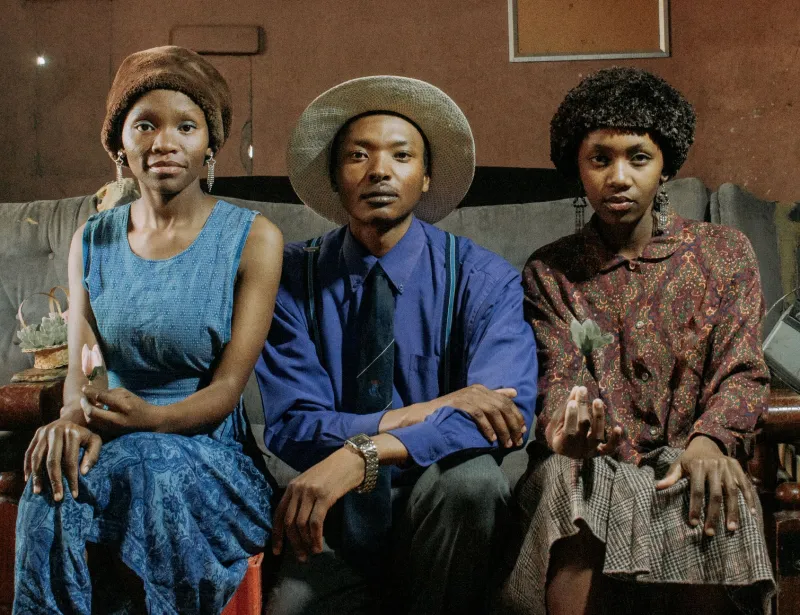
Americans once maintained distinct wardrobes for distinct versions of their lives — work clothes, play clothes, church clothes — and the lines between them were firm. Today, those lines have blurred almost entirely, and the way we dress says something very different about who we think we are.
Three Wardrobes, Three Lives
For most of the twentieth century, the average American closet was organized around a simple, unspoken logic: different contexts demanded different clothes, and wearing the wrong thing to the wrong place was a meaningful error.
You had your work clothes. If you worked in an office, that meant a suit, a tie, dress shoes that required actual polishing. If you worked with your hands, it meant durable, replaceable clothing you wouldn't mourn when it got stained. Either way, work clothes were work clothes — they went on in the morning and came off when the workday ended.
You had your everyday clothes. Casual by the standards of the time, though what that meant varied by decade and region. Slacks and a collared shirt for a man in the suburbs in 1962. A housedress for many women managing a home. Practical, comfortable, but still a step above what you'd wear to paint the garage.
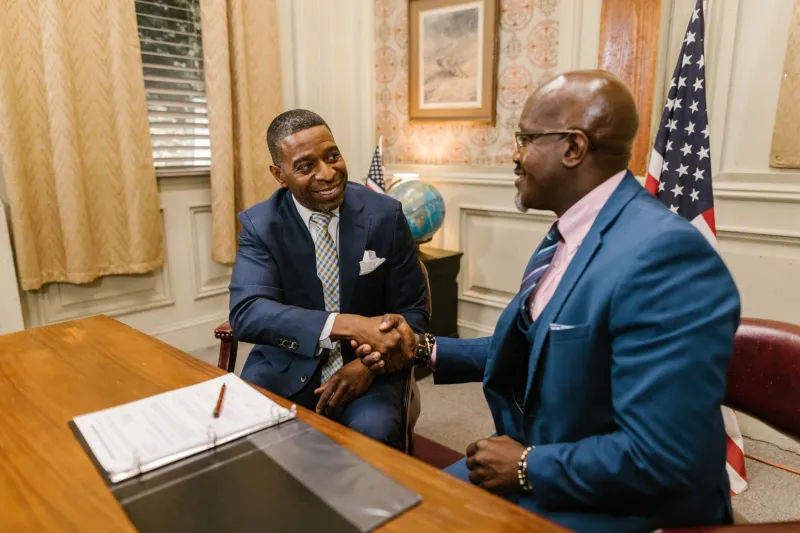
And then you had your good clothes. The Sunday suit. The dress that came out for Easter and graduations and funerals. The outfit that got ironed carefully and treated with a reverence that bordered on the ceremonial. Wearing your good clothes to a casual event wasn't just odd — it was a signal that you didn't understand how things worked.
The Economics of Dressing Right
This system wasn't purely about aesthetics. It was deeply practical, rooted in the economics of a time when clothes were significantly more expensive relative to income than they are today.
In the 1950s, a decent men's suit represented a substantial financial commitment — roughly equivalent to a week's wages for many working Americans. You didn't wear it every day because you couldn't afford to wear it out. You maintained it carefully, had it altered when your weight shifted, and expected it to last a decade or more.
The same principle applied down the wardrobe hierarchy. Work clothes were worn until they were genuinely worn out. Good clothes were preserved. The closet was managed like a small investment portfolio, with each item assigned a specific purpose and protected accordingly.
This economic reality created the system, but the system then created something else: a clear, shared language of dress that everyone in a community could read. What you wore communicated your understanding of where you were and what the moment required. Showing up in your work clothes to a neighbor's wedding wasn't just a fashion mistake — it was a statement, whether you intended one or not.
The Hierarchy Was the Point
Dress codes, formal and informal, also encoded something that modern American culture has become deeply ambivalent about: hierarchy. Different clothes for different contexts meant that some contexts were more important than others, and that certain occasions — church, formal dinners, civic events — deserved a visible expression of respect.
The Sunday suit wasn't just clothes. It was a weekly ritual of acknowledging that some things mattered more than the ordinary. Putting it on was an act of preparation, almost like crossing a threshold. Taking it off was a return to regular life. The clothes marked the boundary.
For children, the distinction was even more explicit. Kids in the mid-twentieth century understood — often from a very young age — that clothes were a form of behavior. You changed out of your school clothes before you went outside to play. You wore your best to church without being told why. The physical act of changing clothes was a signal to yourself as much as to anyone watching: now I am doing something different.
Casual Friday and the Long Slide
The erosion happened gradually, then quickly. Casual Friday, introduced at a handful of American companies in the early 1990s, was initially a modest experiment — a single day when the tie could stay home. Within a decade, it had expanded into a general loosening of office dress norms that has never fully reversed.
At the same time, the economics of clothing shifted dramatically. The rise of fast fashion through the 1990s and 2000s made clothes cheaper in absolute terms than they had ever been. When a shirt costs twelve dollars, you don't think of it as an investment to be maintained and protected. You think of it as disposable. The careful wardrobe management of previous generations became not just unnecessary but vaguely eccentric.
And then athleisure arrived and changed the game entirely. Leggings as pants. Hoodies in airports. Sneakers at restaurants that once had dress codes. The lines between workout clothes, casual clothes, and work clothes collapsed into a single, comfort-optimized category that went everywhere and meant nothing specific about where you were or what the moment required.
What the Closet Says Now
The casualization of American dress reflects something real about how the culture has changed. Formality has always carried a class dimension — the ability to dress correctly for every context requires money, time, and access to spaces where those contexts exist. As American culture has pushed back against inherited hierarchies, the dress codes that encoded them have loosened accordingly.
There's genuine liberation in that. The idea that a person's worth could be measured by the quality of their suit was never entirely comfortable, and discarding it isn't entirely a loss.
But something else went with it. The old wardrobe system, for all its rigidity, gave people a clear framework for moving through the world. Different clothes for different roles meant that the roles themselves were distinct — that work was different from leisure, that sacred time was different from ordinary time, that some moments deserved more from you than others.
Today's closet, full of interchangeable comfort wear, makes no such demands. Every context gets the same outfit. Every moment is equally casual. Whether that reflects a healthier relationship with hierarchy or simply a flattening of meaning is a question the leggings won't answer for you.
You'll have to figure that one out yourself.