Same-Day Service Was Just Called Service: When Your Local Tradesman Actually Lived Down the Street
The Phone Call That Actually Worked
Your kitchen sink is backing up, and it's 2 PM on a Tuesday. In 1975, you'd flip through the phone book, call Murphy's Plumbing, and Murphy himself would answer. "I'll be there in an hour," he'd say, and he would be. No scheduling app, no service windows, no surge pricing. Just Murphy, his truck, and a toolbox that had fixed half the pipes in your neighborhood.
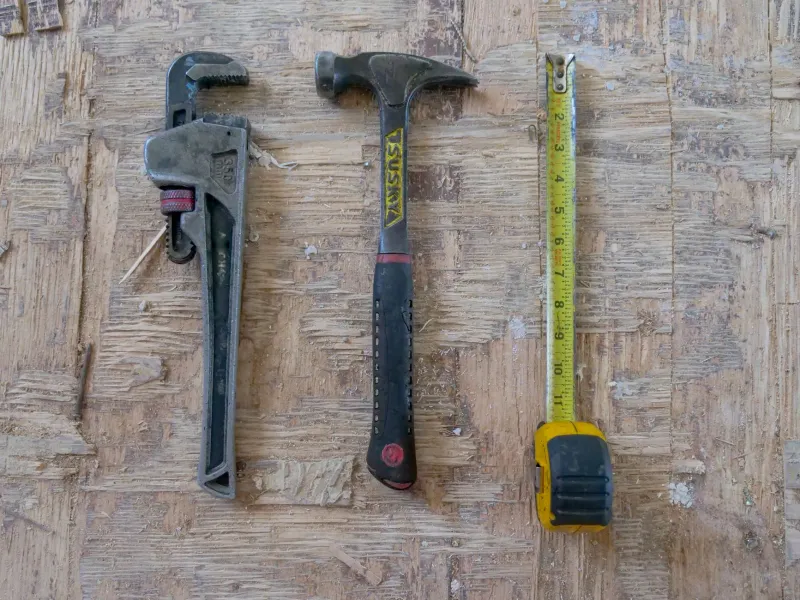
 Photo: Murphy's Plumbing, via i5.walmartimages.com
Today, that same emergency triggers a completely different sequence: download an app, create an account, upload photos, select from available time slots (next Tuesday between 8 AM and noon), pay a booking fee, wait for confirmation, receive three text reminders, and hope the technician who shows up has the right parts in their van.
When Your Plumber Knew Your Grandmother
The difference wasn't just speed—it was relationship. Murphy had installed the original plumbing when your house was built. He'd been back twice to fix the temperamental bathroom faucet and once to snake the drain after your teenage son's science experiment went wrong. He knew which pipes were copper, which were galvanized, and exactly how to shut off the water without flooding the basement.
Most importantly, Murphy lived four blocks away. His kids went to your kids' school. His reputation wasn't managed by online reviews from strangers—it was built on thirty years of showing up when neighbors needed him. If Murphy did shoddy work, he'd hear about it at the grocery store, the gas station, and Sunday church.
The Handshake Economy
Pricing was refreshingly straightforward. Murphy would look at your problem, tell you what it would cost to fix it, and that was the price. No diagnostic fees, no trip charges, no tiered service packages. If the job turned out simpler than expected, you paid less. If it got complicated, Murphy ate the difference because he'd given his word.
This wasn't charity—it was business sense. Murphy's customers called him back for every plumbing issue for decades. They recommended him to friends, family, and new neighbors. A fair price today meant steady work tomorrow. The incentive structure was built for the long term, not the transaction.
The Neighborhood Network
Every trade had its Murphy. There was Patterson Electric, who'd wired most of the houses built after the war. Rodriguez Carpentry, who could match any molding style from the 1920s. Williams Heating, who knew every furnace model installed in a twenty-mile radius. These weren't franchises or corporate contractors—they were neighbors who happened to be really good at fixing things.
 Photo: Rodriguez Carpentry, via hallofranchise.nl
 Photo: Patterson Electric, via checkify.com
Word-of-mouth wasn't just marketing; it was the entire business model. When the Johnsons needed their kitchen rewired, they asked the Smiths who they'd used. When the Smiths' neighbor saw Patterson's truck in the driveway, they'd walk over to ask for his card. Business flowed through backyard conversations and coffee shop recommendations.
What Changed Everything
The shift didn't happen overnight. As neighborhoods became less connected, as people moved more frequently, as local businesses were bought by regional chains, the personal accountability that made the old system work began to disappear. Why maintain relationships with customers you'll never see again? Why charge fairly when demand exceeds supply and there's always another customer?
The rise of home improvement superstores changed expectations too. Why call a local electrician when you can buy the parts yourself and watch a YouTube tutorial? The DIY movement promised to eliminate the middleman, but it also eliminated the expertise that prevented small problems from becoming expensive disasters.
The New Math of Service Calls
Today's service economy operates on completely different principles. Efficiency is measured in calls per day, not customer satisfaction. Technicians work for companies that dispatch them to strangers' homes across wide geographic areas. They're evaluated on speed, upselling, and generating follow-up appointments, not on building lasting relationships.
The pricing reflects this new reality. Diagnostic fees cover the cost of sending someone to look at your problem. Trip charges account for drive time and fuel. Service windows accommodate multiple appointments across sprawling suburbs. What once was Murphy showing up when you needed him has become a complex logistics operation optimized for corporate profit margins.
The Trust That Built America's Homes
The old system worked because it was built on mutual dependence. Murphy needed customers, and customers needed Murphy. Both sides had skin in the game for the long haul. Your house was Murphy's portfolio, and Murphy's reputation was your guarantee.
That reciprocal relationship created something modern service apps struggle to replicate: accountability that extended beyond the transaction. When Murphy fixed your sink, he wasn't just solving a plumbing problem—he was maintaining his standing in a community where reputation mattered more than reviews.
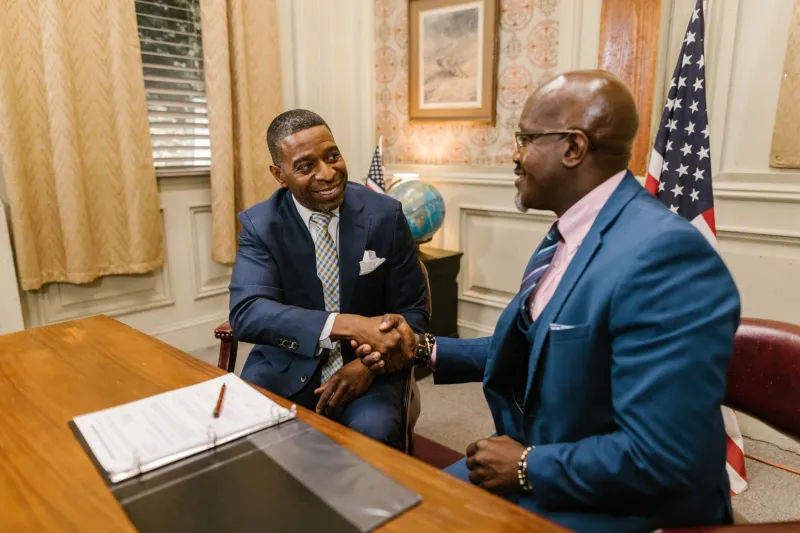
The handshake that hired a plumber represented something larger: an economy where personal relationships drove business relationships, where local expertise was valued over corporate efficiency, and where the person who fixed your problem today would still be there to fix the next one tomorrow.