The Morning After the Finale: When All of America Had Watched the Same Thing the Night Before

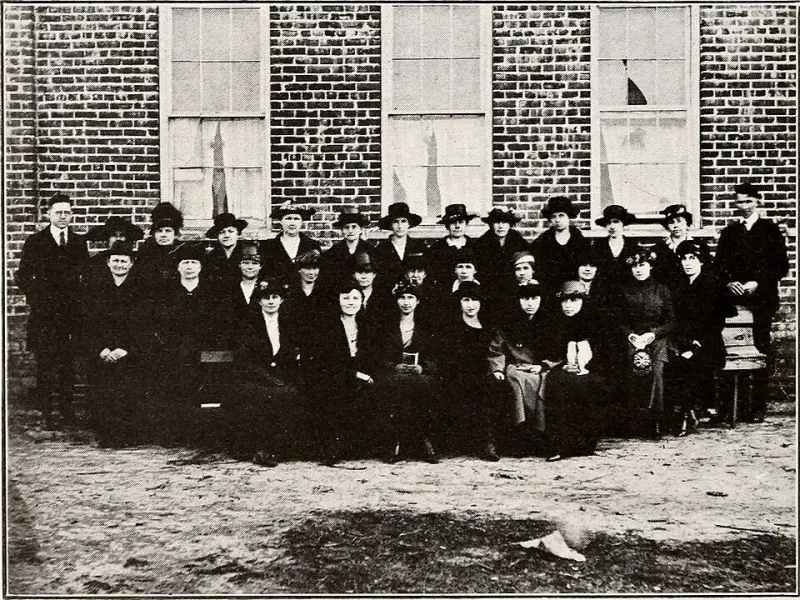
Photo: Michael Barera, CC BY-SA 4.0, via Wikimedia Commons
Feb. 28, 1983. If you were alive and in America that night, there's a reasonable chance you know exactly where you were. The finale of M*A*S*H aired on CBS and drew 106 million viewers — a number that still stands as the most-watched scripted television broadcast in American history. The next morning, the country woke up having shared something.
That shared experience wasn't incidental. It was how television worked. And for about four decades, it quietly shaped the way Americans talked to each other, recognized each other, and felt like they were part of the same story.
The Appointment Was Non-Negotiable
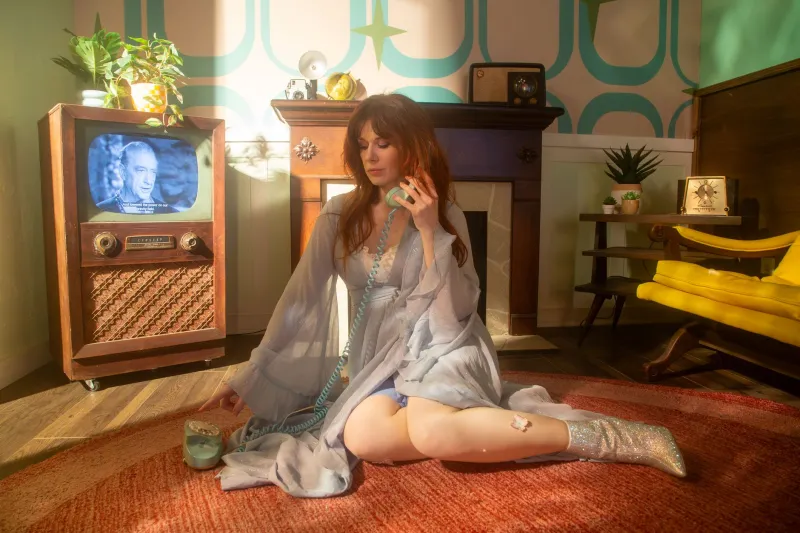
The architecture of old television was rigid in a way that's hard to fully appreciate now. Your show aired on Tuesday at 9 p.m. If you weren't watching at 9 p.m. on Tuesday, you weren't watching. There was no catch-up option, no streaming queue, no "I'll get to it this weekend." You either showed up or you missed it, and missing it meant being on the outside of every conversation about it until the reruns rolled around months later.
This created a powerful social incentive to be present. Watching The Ed Sullivan Show on a Sunday night wasn't just entertainment — it was participation in something collective. When the Beatles appeared in February 1964, roughly 73 million people watched simultaneously. Not because they all had identical taste. Because there was one screen and one moment and you were either there or you weren't.
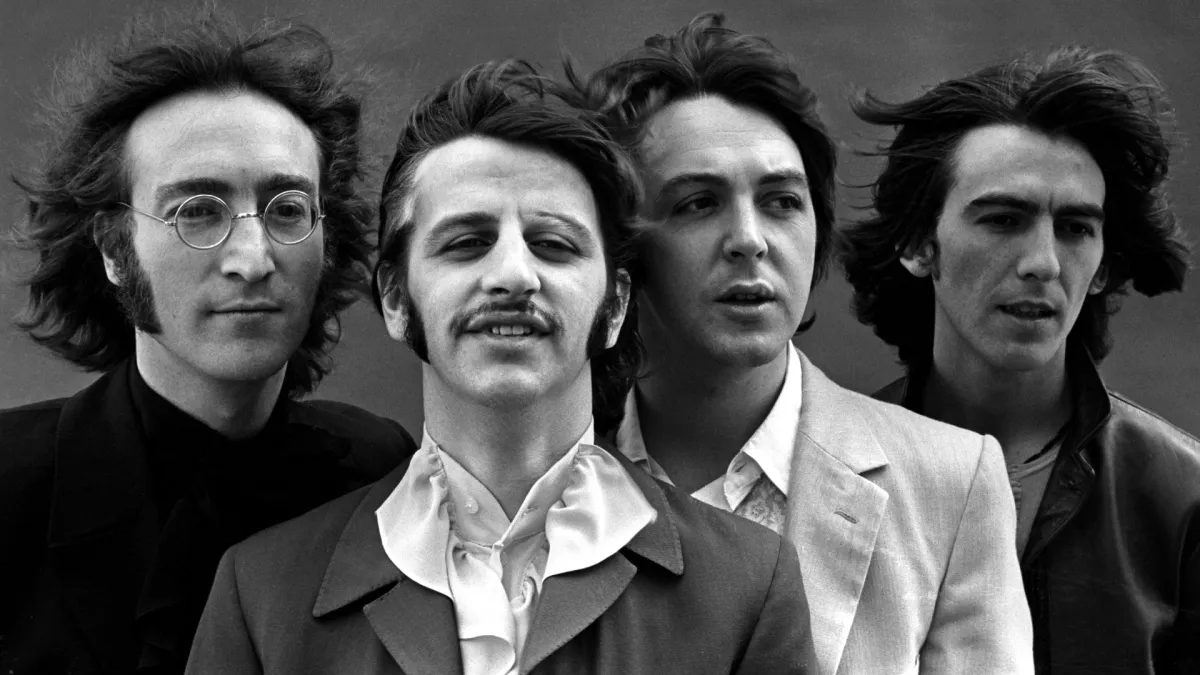 Photo: The Beatles, via retropopmagazine.com
The same logic applied to sports, to news, to variety specials. The Ali-Frazier fights. The Roots miniseries. The final episode of Seinfeld. The Oscars when something genuinely surprising happened. These weren't just broadcasts. They were the shared vocabulary of American life, distributed in real time to everyone at once.
What the Water Cooler Actually Was
The phrase "water cooler moment" has become a cliché so worn that people use it to describe content that almost nobody watches at the same time. But the original phenomenon it described was specific and real.
When virtually everyone in an office had watched the same program the night before, Monday morning had a texture it doesn't have now. You didn't need to be friends with your coworkers to have something to talk about. You didn't need common ground. The broadcast had created common ground automatically, by being the only thing on.
This produced a kind of low-stakes social glue that's genuinely difficult to replicate. The conversation wasn't deep. It was often just "Can you believe what happened?" followed by ten minutes of shared reaction. But those ten minutes happened between people who might otherwise have had nothing to say to each other — the receptionist and the regional manager, the new hire and the twenty-year veteran.
Shared experience is a social technology, and broadcast television was one of the most efficient delivery mechanisms for it ever invented.
The Fragmentation
The fracturing started gradually. Cable in the 1980s meant you had thirty channels instead of three. Then hundreds. Then the DVR arrived and untethered the broadcast from its timeslot. Then streaming platforms began releasing entire seasons at once, which meant some people watched a show over a single weekend while others stretched it across months.
Today, the average American household has access to somewhere between four and seven streaming services, each with libraries numbering in the thousands of titles. The choice is extraordinary. The fragmentation is total.
A show can be genuinely excellent — critically praised, culturally relevant, nominated for every award — and still be something that half your office has never started. The conversation that used to begin with "Did you see it?" now begins with "Are you watching...?" which is a different question entirely. One assumes shared experience. The other is negotiating whether shared experience is even possible.
The Super Bowl remains the last reliable exception — the one broadcast that still gathers something close to a national audience in real time. Its halftime show is dissected with an intensity that would bewilder anyone from the era when Ed Sullivan booked the Beatles, because it's one of the few remaining occasions when the whole country is watching the same screen at the same moment.
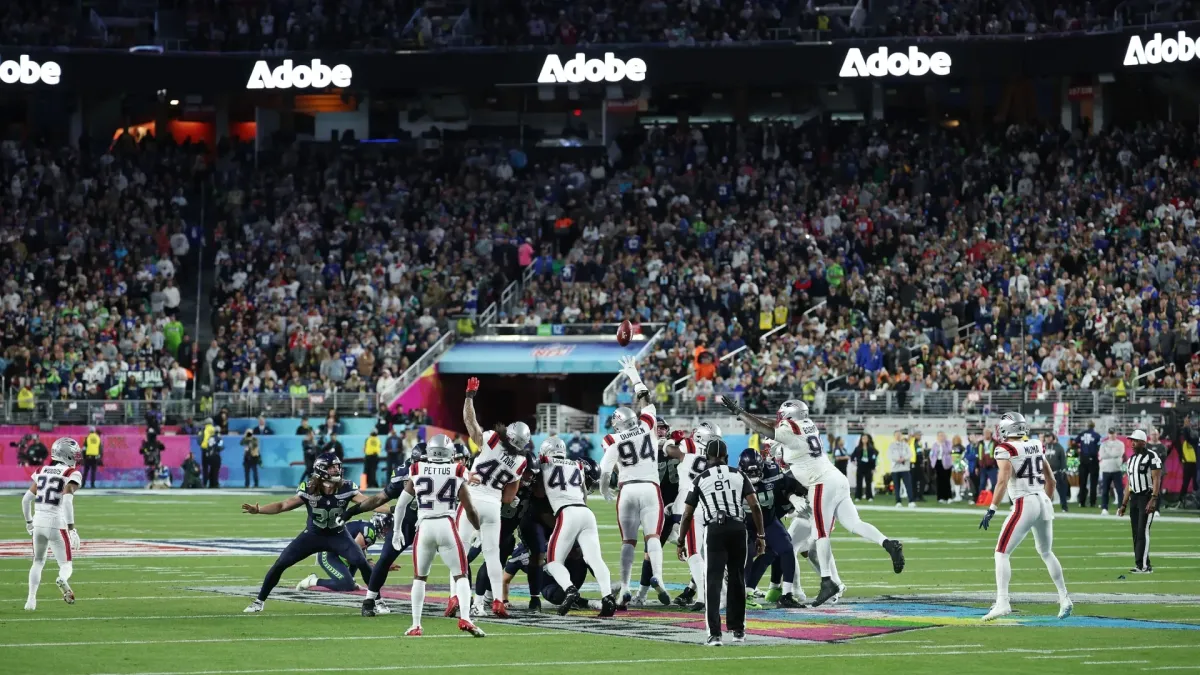 Photo: Super Bowl, via media.bolavip.com
Everything else has scattered.
What We Gained, What We Lost
It would be dishonest to pretend the old model was without its problems. Appointment television meant the networks held enormous power over what Americans saw and when. The three major broadcast networks — ABC, CBS, NBC — decided, with very little accountability, what stories got told and which voices got heard. The homogeneity of the schedule was, in part, a homogeneity of perspective.
Streaming has genuinely expanded what's available. Stories that would never have been greenlit by a 1970s network executive now reach millions of viewers. Niche interests are served. International content crosses borders in ways that were previously impossible. The diversity of what's available today is real and valuable.
But something was lost in the transaction, and it's worth naming clearly: the spontaneous, involuntary community that formed around a shared broadcast. You didn't choose to be part of it. You just were, because you were American and you had a television and it was Tuesday at 9 p.m. The community didn't require curation or algorithm or deliberate effort. It just happened.
That version of connection — unplanned, universal, slightly accidental — is almost impossible to manufacture now. Platforms try. They release shows weekly to simulate the appointment structure. They create live events and countdowns. But the underlying architecture is different. You can always pause. You can always skip. You can always come back later.
And when you can always come back later, the morning after never quite feels the same.
Then and Now
106 million people watched M*A*S*H end on the same night. The most-watched streaming series finale in recent memory drew a fraction of that — spread across multiple days, multiple time zones, multiple viewing habits. Nobody was wrong. But the morning after was quieter.
When the whole country watches the same thing at the same time, it's not just television. It's a reminder that you're all in the same place. That feeling, it turns out, was harder to hold onto than anyone realized.