When Letters Took Three Weeks and Friendships Lasted Forever: America's Lost Art of Long-Distance Connection
The Ritual of the Mailbox
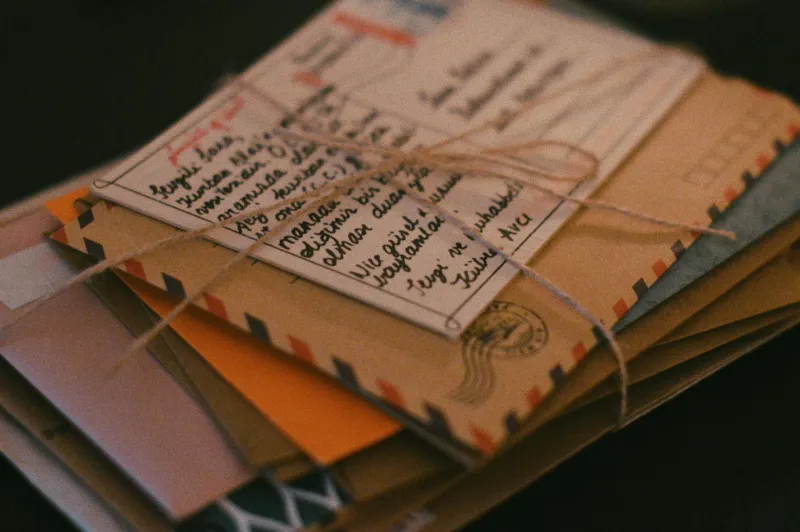
Every afternoon at 3:30, Margaret Thompson would walk to her mailbox in suburban Cleveland, hoping for the familiar blue airmail envelope from her pen pal in Scotland. It was 1962, and she'd been corresponding with Moira MacLeod for seven years—longer than some of her neighbors had been married. They'd never spoken on the phone, never seen each other move or laugh, yet Margaret knew Moira's thoughts on everything from Kennedy's presidency to the proper way to make shortbread.
 Photo: Margaret Thompson, via images.squarespace-cdn.com
This was America's pen pal era, a time when building relationships through letters wasn't quaint—it was normal. Millions of Americans maintained correspondence with strangers across the country and around the world, creating friendships that existed entirely in carefully crafted sentences and the anticipation between them.
When Schools Made Strangers Into Friends
The pen pal system was so embedded in American culture that it was practically curriculum. Teachers would arrange international exchanges through organizations like the International Friendship League, founded in 1931, which connected American students with peers in dozens of countries. By the 1950s, over 100,000 American children were regularly writing to international pen pals through school programs.
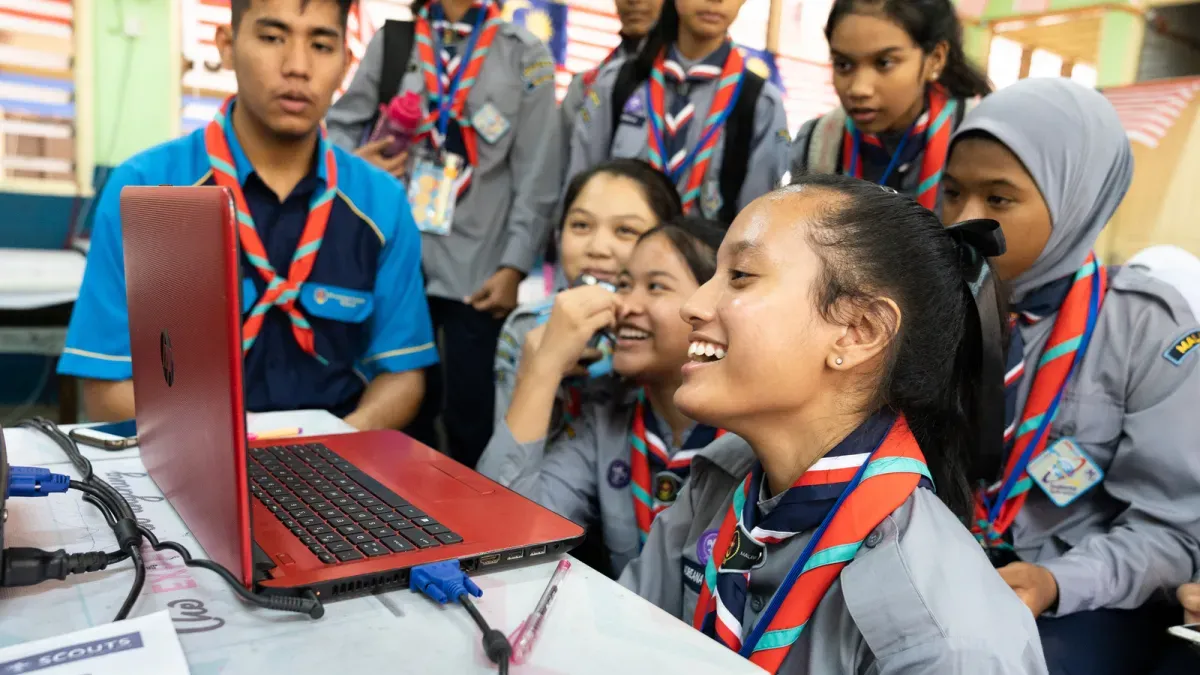 Photo: International Friendship League, via www.scout.org
These weren't casual exchanges. Students would spend weeks crafting letters, describing their daily lives in detail that would seem exhaustive by today's standards. A typical letter might run four pages, covering everything from what they ate for breakfast to their thoughts on the space race. The formality of the medium demanded substance—you couldn't waste three weeks of transit time on "how's the weather?"
The Economics of International Friendship
Sending a letter overseas cost real money. In 1960, an international airmail stamp cost 15 cents—equivalent to about $1.50 today. For a working-class family, maintaining several international correspondences represented a meaningful budget item. Parents would often limit children to one or two pen pals, making each relationship precious.
The investment went beyond postage. Letter-writing required supplies: good paper, proper pens, sometimes even carbon copies for record-keeping. Many Americans kept special stationery for international correspondence, understanding that their letters were ambassadors of American culture.
The Depth That Distance Created
The three-week delay between question and answer created a unique rhythm of relationship. Unlike today's instant exchanges, pen pal conversations developed themes that would evolve over months. A discussion about music might begin in January, develop through spring, and reach conclusions by summer.
This forced patience created unusual intimacy. Pen pals would often know each other's deepest thoughts while remaining strangers in person. They'd share fears, dreams, and daily frustrations with a freedom that face-to-face relationships rarely allowed. The distance provided safety; the delay demanded sincerity.
When Adults Collected Correspondents
Pen pal relationships weren't limited to school exchanges. Magazines like Popular Mechanics and Ladies' Home Journal regularly published pen pal sections where adults could find correspondents. Hobby magazines connected stamp collectors, amateur radio operators, and gardening enthusiasts across continents.
Some Americans maintained dozens of regular correspondences. They'd organize their letter-writing like a part-time job, dedicating specific evenings to different correspondents, keeping careful records of what they'd shared with whom. For many, especially housewives in isolated suburbs or farmers in rural areas, these letters provided intellectual stimulation and cultural connection that their immediate communities couldn't offer.
The Formality That Built Character
Letter-writing demanded skills that modern communication has made obsolete. Americans learned to organize their thoughts before expressing them, to consider their words carefully, and to sustain complex ideas across multiple paragraphs. The permanence of ink on paper made every sentence count.
This formality extended to etiquette. Letter-writers learned proper salutations, appropriate topics for different types of relationships, and the art of graceful conclusions. These skills transferred to business correspondence, making the generation raised on pen pals particularly effective in professional communication.
What Instant Connection Couldn't Replace
When email arrived in the 1990s, pen pal organizations initially celebrated the possibilities. Faster communication would mean deeper relationships, they predicted. Instead, the opposite happened. The effort barrier that had made letter-writing precious disappeared, and with it, much of the intentionality that had made pen pal relationships meaningful.
Email pen pals rarely lasted more than a few months. Without the investment of time and money, without the ritual of walking to the mailbox, without the anticipation of waiting for replies, digital correspondence felt disposable. The same speed that made communication easier made relationships shallower.
The Letters That Lasted Lifetimes
Many pen pal relationships survived for decades, outlasting marriages and careers. Some correspondents eventually met in person; others chose to preserve the unique intimacy of their letter-only relationship. When pen pals died, their families often discovered boxes of letters representing friendships more consistent and enduring than many face-to-face relationships.
Today, social media promises to connect us with people worldwide, but the connections feel fundamentally different. We know what our online friends ate for lunch but not necessarily what they think about mortality. We see their vacation photos but might not know their fears.
The pen pal era represented something we've traded away without fully understanding its value: the idea that the best relationships might be built slowly, deliberately, and with the kind of patience that modern technology has made feel unnecessary. In gaining instant connection, we lost the art of anticipation—and with it, a particular kind of friendship that existed nowhere else but in the space between question and answer, separated by weeks and connected by intention.