The Neighborhood Expert Who Knew Every Cut of Meat by Heart: How America Lost Its Corner Food Specialists
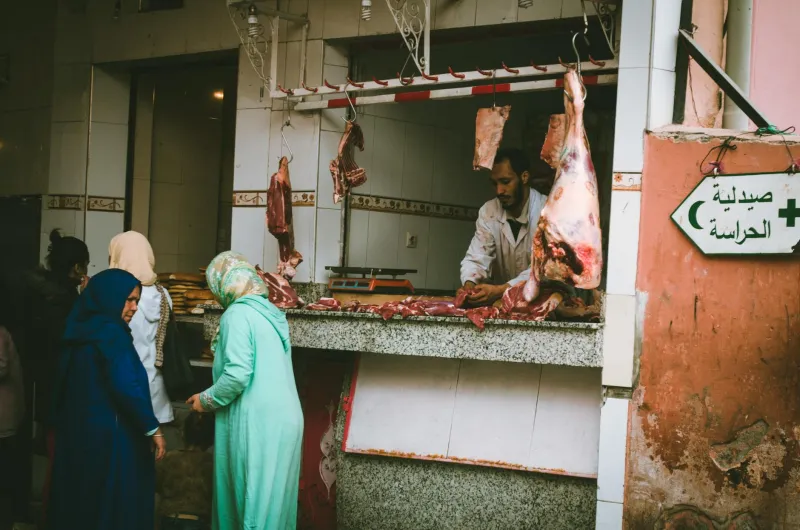
Walk into any modern supermarket and you'll find yourself in a fluorescent-lit maze of endless aisles, clutching a shopping cart and squinting at package labels. Need help finding the ripest avocados? Good luck tracking down someone who knows. Want advice on which cut of beef works best for pot roast? The teenager behind the deli counter will shrug and point to the price tags.
This wasn't always how Americans bought their food. Until the 1960s, most families sourced their weekly provisions from a constellation of small, specialized shops scattered throughout their neighborhoods. Each store was run by someone who had spent years, sometimes decades, mastering their particular corner of the food world.
The Experts Who Lived Behind Every Counter
Your neighborhood butcher didn't just sell meat—he was a walking encyclopedia of protein. He knew which farms delivered the best beef, could explain the difference between chuck and round roast, and would set aside the perfect turkey for your Thanksgiving dinner weeks in advance. More importantly, he knew your family's preferences. Mrs. Johnson liked her pork chops thick-cut. The Millers always bought extra ground beef on Tuesdays for their weekly meatloaf.
The baker started work at 4 AM, timing each batch so the bread would still be warm when regular customers stopped by. He knew that Mr. Peterson preferred his rye bread with extra caraway seeds, and that the O'Briens always needed an extra loaf of white bread on Sundays for their large family gatherings.
At the fish market, the fishmonger could tell you exactly which boat brought in the day's catch and how to prepare species you'd never heard of. He'd clean and fillet your purchase while explaining the best cooking method, often sharing family recipes passed down through generations.
The greengrocer was part nutritionist, part seasonal calendar. She knew which apples were at their peak, when the local corn would be sweetest, and could recommend vegetables you'd never considered trying. She'd feel melons to test for ripeness and set aside the best produce for her regular customers.
The Economics of Expertise
These specialists thrived because they offered something supermarkets couldn't: knowledge and personal service. A 1955 survey found that the average American family visited five different food shops each week, spending about 30% more time shopping but often paying less for higher-quality products.
The specialists could offer competitive prices because they bought directly from producers, cut out middlemen, and had minimal overhead. They knew their suppliers personally—often farmers and producers from the surrounding region. This direct relationship meant fresher products and the ability to special-order items for customers.
The economic model worked both ways. Customers developed loyalty to shops where they felt known and valued. Store owners, in turn, invested in relationships that kept families coming back for decades. It wasn't unusual for three generations of a family to shop at the same butcher or baker.
The Supermarket Revolution Changes Everything
The rise of suburban supermarkets in the 1950s and 1960s promised something revolutionary: everything under one roof. Families could park in vast lots, grab a cart, and complete their entire weekly shopping in a single trip. The convenience was undeniable, especially for busy suburban families juggling work and household responsibilities.
Supermarket chains had buying power that individual specialists couldn't match. They could offer lower prices on many items and provide consistency—the same products available in the same locations every week. For many Americans, the trade-off seemed worth it: less personal service in exchange for convenience and savings.
By 1970, supermarkets captured over 75% of American food sales. Small specialty shops began closing as foot traffic dwindled. The butchers, bakers, and fishmongers who had served neighborhoods for generations found themselves competing against massive distribution networks and corporate buying power.
What We Lost in the Translation
Today's supermarkets employ hundreds of people, but few possess deep knowledge about the products they sell. The "butcher" might be someone who unwraps pre-cut meat shipped from a processing plant hundreds of miles away. The "baker" reheats frozen dough produced in an industrial facility.
Modern shoppers navigate these stores largely alone, making decisions based on packaging, price tags, and whatever information they can glean from their smartphones. The accumulated wisdom that once passed from specialist to customer—how to select the best ingredients, prepare unfamiliar foods, or time purchases for peak freshness—has largely disappeared.
The economic impact extends beyond individual shopping experiences. When neighborhood specialists thrived, money stayed local. The butcher bought from regional farms, the baker sourced flour from nearby mills, and profits supported local families. Today, the vast majority of supermarket revenue flows to corporate headquarters often located thousands of miles away.
The Search for Lost Knowledge
Some Americans are rediscovering what their grandparents took for granted. Farmers' markets have experienced tremendous growth, with vendors who can explain their growing methods and suggest recipes. Specialty butcher shops are making a comeback in urban areas, staffed by craftspeople who view meat-cutting as an art form.
But for most Americans, the weekly grocery run remains a solitary journey through corporate-designed spaces, guided by marketing rather than expertise. We've gained convenience and lost community knowledge—a trade-off that seemed logical in the moment but whose full cost is only now becoming clear.
The next time you're standing in a supermarket aisle, wondering which cut of meat to buy or how to tell if fruit is ripe, remember: there used to be someone whose entire livelihood depended on knowing the answer to that exact question. And they were probably right around the corner from your house.