In the summer of 1976, Mike Sullivan worked construction in Chicago for $2.30 an hour. By Labor Day, he had earned enough to pay for his entire sophomore year at the University of Illinois, including tuition, fees, and most of his living expenses. His total educational costs? About $1,200 for the year.
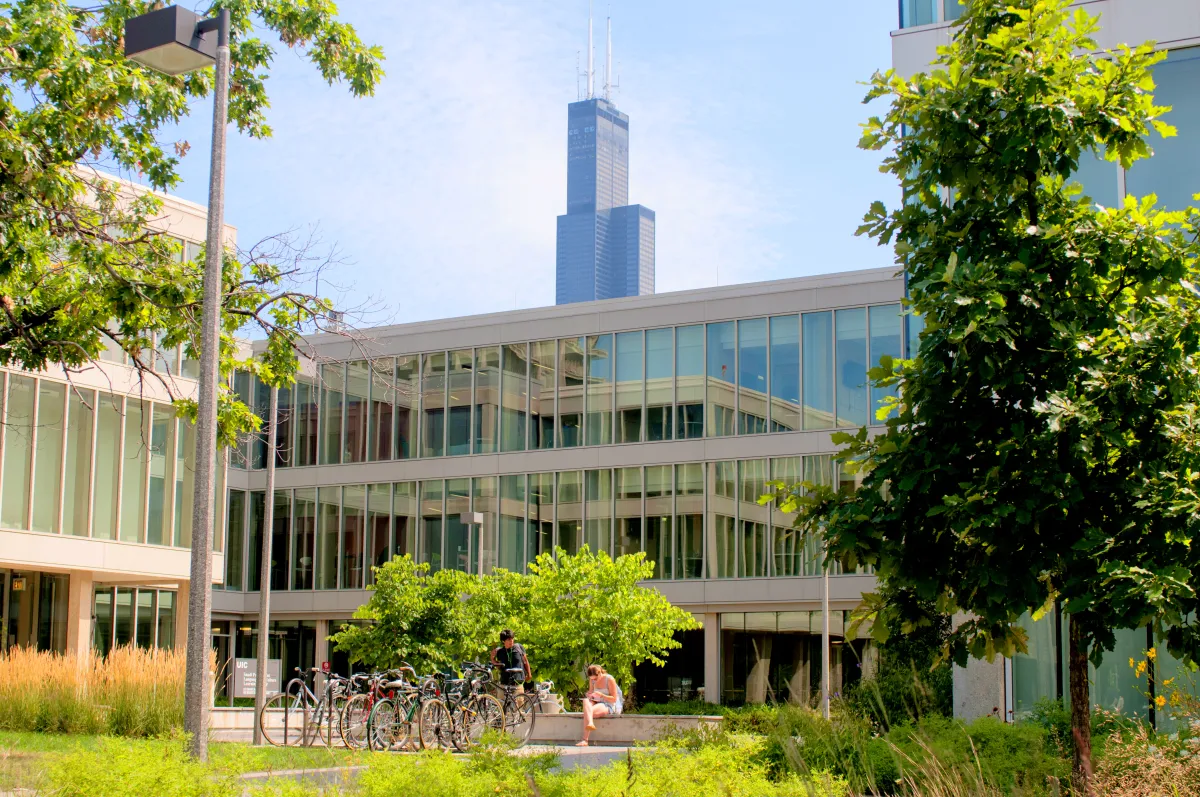 Photo: University of Illinois, via iphecsite.web.illinois.edu
Today, that same degree would cost Sullivan's grandson roughly $32,000 annually — more than many American households earn in a year.
The Numbers That Tell the Story
The transformation of American higher education costs isn't just dramatic; it's almost incomprehensible. In 1975, the average annual tuition at a four-year public university was $542. Adjusted for inflation, that's about $2,800 in today's dollars. The actual cost today? Over $11,000 for in-state students, nearly four times higher than inflation alone would predict.
For private universities, the numbers are even more staggering. Harvard's tuition in 1976 was $3,740 — expensive for its time, but equivalent to about $19,000 today. Harvard now charges $54,000 annually, nearly three times what inflation would justify.
But the real shock comes when you compare college costs to wages. In 1975, the federal minimum wage was $2.10 per hour. A student working 15 hours per week during the school year and full-time over summer break could earn about $2,000 — enough to cover tuition at most public universities and contribute significantly to living expenses.
That same work schedule at today's federal minimum wage of $7.25 would generate roughly $6,800 — not even enough to cover tuition at the average public university, let alone housing, food, and books.
When College Was a Public Investment
The affordability of higher education in the 1960s and 1970s wasn't accidental. State governments viewed public universities as essential infrastructure, like highways or water systems. California's Master Plan for Higher Education, implemented in 1960, promised free tuition at University of California campuses for any qualified state resident.
Texas, New York, and dozens of other states maintained similar commitments. The logic was straightforward: educated citizens would drive economic growth and tax revenue that would more than repay the public investment.
State funding per student at public universities peaked in the late 1970s. Since then, it has declined by nearly 40% in inflation-adjusted terms, even as enrollment has more than doubled. Universities didn't become more expensive because they became more luxurious — they became more expensive because taxpayers stopped paying for them.
The Shift to Individual Debt
As state support declined, universities turned to students and families to make up the difference. The federal student loan program, originally designed to help a small number of students bridge temporary financial gaps, became the primary funding mechanism for American higher education.
In 1976, total student loan debt nationwide was about $3 billion in today's dollars. Current student loan debt exceeds $1.7 trillion — a 56,000% increase that far outpaces the growth in college enrollment or the American population.
The average college graduate in 1976 left school with essentially no debt. Today's average graduate carries over $30,000 in loans, with many owing significantly more. Professional programs routinely produce graduates with six-figure debt loads that would have been unimaginable to previous generations.
What Changed the Math
Several forces converged to transform higher education from an affordable public good into a luxury purchase. State budget pressures during the recessions of the 1980s and 1990s led to permanent cuts in university funding. The easy availability of federal loans allowed universities to raise prices without losing students. And a cultural shift occurred: college transformed from something society provided to something individuals consumed.
The administrative expansion of universities also played a role. The average university today employs far more administrators per student than in 1976, adding layers of bureaucracy that didn't exist when college was cheap. New facilities, expanded student services, and marketing budgets all contributed to rising costs.
But the fundamental driver was political: Americans decided, gradually and often without realizing it, that higher education should be paid for by students rather than taxpayers.
The Hidden Consequences
The shift from affordable to expensive higher education has reshaped American society in ways that extend far beyond individual bank accounts. Young adults now delay homeownership, marriage, and starting families while they service educational debt. Career choices are driven by loan payments rather than passion or aptitude.
Entire professions — teaching, social work, journalism — have become financially unviable for graduates carrying significant debt. The promise that education pays for itself remains true in aggregate, but the math no longer works for individual students in many fields.
Perhaps most importantly, higher education has become a mechanism for perpetuating rather than reducing inequality. Students from wealthy families graduate debt-free and can take risks, pursue internships, or start businesses. Students from working-class families begin their careers under a mountain of debt that constrains their choices for decades.
Looking Back at What We Lost
Mike Sullivan's summer construction job didn't just pay for college — it represented a social contract. American society had decided that educating its young people was a collective responsibility and a shared investment in the future.
That contract has been quietly torn up. Today's students aren't just paying more for college; they're paying for a fundamentally different relationship between education and society. What was once a public investment in human potential has become a private debt that individuals carry alone.
The numbers tell the story, but they can't capture what was lost when college stopped being something a summer job could cover and became something that defines financial life for decades. In fifty years, America transformed higher education from a broadly accessible pathway to opportunity into a luxury good that sorts people by their family's wealth.
That transformation happened so gradually that most people didn't notice. But Mike Sullivan's grandson certainly has.