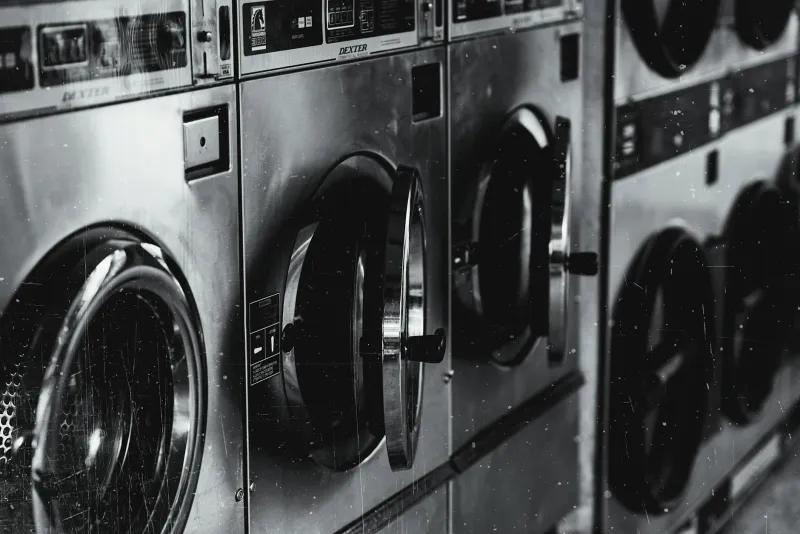
In the basement of a house in Minneapolis sits a 1956 Kenmore washing machine that has been cleaning clothes for three generations. Its owner, Sarah Chen, inherited it from her grandmother and has never called a repair service. "It just keeps working," she says, patting the machine's thick steel top. "I've never understood why anyone would replace something that isn't broken."
Meanwhile, Chen's neighbor is shopping for her third washing machine in fifteen years. The first lasted six years before the control board failed. The second made it eight years before the transmission gave out. Both times, repair costs exceeded the price of replacement.
This isn't a story about luck or maintenance — it's about how American manufacturing fundamentally changed its relationship with durability.
When Appliances Were Investments
In 1955, buying a major appliance was like buying furniture. You expected it to last decades, and manufacturers built them accordingly. A Frigidaire refrigerator from that era featured a hermetically sealed compressor designed to run for 30 years without service. The steel cabinet was thick enough to stop a bullet, and the door hinges were built like those on a bank vault.
The average American family bought a refrigerator once, maybe twice in a lifetime. The same was true for washing machines, dryers, and stoves. These weren't consumer electronics to be upgraded every few years — they were household infrastructure, as permanent as the plumbing.
Manufacturers competed on durability because that's what customers demanded. Advertisements from the 1950s promised "lifetime service" and "built to last a generation." Maytag's "Lonely Repairman" campaign became famous precisely because it suggested their appliances never needed fixing.
The Engineering of Permanence
Open up a 1950s appliance and you'll find engineering that prioritized longevity over everything else. Washing machine transmissions were cast iron and steel, designed to handle decades of daily use. Motors were oversized and built with replaceable parts. Control systems were mechanical, with switches and timers that could be rebuilt rather than replaced.
Refrigerators featured compressors that ran at conservative speeds to minimize wear. The refrigerant systems were simple and serviceable. Even the paint was formulated to last — many 70-year-old appliances still sport their original finish without significant fading or chipping.
Most importantly, these appliances were designed to be repaired. Every component could be accessed, removed, and replaced. Service manuals were comprehensive, and repair parts remained available for decades. The local appliance repair shop was as common as the local gas station.
The Shift to Disposability
By the 1980s, something fundamental had changed in American appliance manufacturing. Companies discovered that selling replacement appliances was more profitable than building appliances that never needed replacement. This wasn't a conspiracy — it was basic economics.
The shift happened gradually. First, manufacturers began using lighter materials to reduce costs. Steel cabinets became thinner. Cast iron components were replaced with aluminum or plastic. The changes were subtle enough that customers didn't immediately notice the difference.
Next came the electronics revolution. Mechanical controls were replaced with electronic control boards that couldn't be repaired by local technicians. These boards were often the first component to fail, and replacing them cost more than buying a new appliance.
Finally, manufacturers began designing appliances with intentionally limited lifespans. This practice, known as planned obsolescence, wasn't hidden — it was a deliberate business strategy to ensure steady sales.
The Modern Appliance Lifespan
Today's appliances come with warranties that reveal their expected lifespans. A typical modern refrigerator carries a one-year full warranty and a five-year warranty on the compressor. This isn't because manufacturers expect the compressor to fail in year six — it's because they expect the entire appliance to be replaced by then.
Industry data confirms this expectation. The average modern refrigerator lasts 10-13 years. Washing machines average 8-12 years. Dishwashers typically fail after 7-10 years. These lifespans are roughly one-third of what similar appliances achieved in the 1950s and 1960s.
The failure patterns are telling. Modern appliances rarely wear out — they break. Electronic control boards fail suddenly. Plastic components crack. Sensors malfunction. These aren't the gradual failures of mechanical wear; they're designed failure points that make repair uneconomical.
The Economics of Replacement Culture
The transformation from durable goods to disposable products reshaped the entire appliance industry. Repair shops largely disappeared as appliances became too complex and too cheap to fix. Manufacturers stopped stocking parts for older models. The skills needed to repair mechanical appliances were no longer taught or valued.
For consumers, this meant trading long-term savings for short-term convenience. That 1955 Frigidaire might have cost $350 — about $3,800 in today's dollars. But it only had to be purchased once. A modern family buying refrigerators every 12 years will spend far more over a lifetime, even accounting for improved energy efficiency.
The environmental cost is equally significant. Americans now discard about 9 million tons of major appliances annually. Most of that waste consists of appliances that could be repaired but aren't worth fixing under current economic conditions.
What Changed the Calculation
Several factors contributed to the shift from durability to disposability. Mass production techniques reduced manufacturing costs, making replacement cheaper than repair. Consumer credit made large purchases more accessible, reducing the pressure to make appliances last. And changing lifestyles meant families moved more frequently, reducing the value of extremely durable goods.
Most importantly, the definition of appliance failure changed. In 1955, an appliance failed when it stopped working entirely. Today, appliances are considered "failed" when they become inefficient, outdated, or aesthetically unappealing. The threshold for replacement dropped dramatically.
The Repair Renaissance
Interestingly, some consumers are rediscovering the value of durable appliances. Vintage appliance restoration has become a cottage industry, with specialists rebuilding 1950s refrigerators and washing machines for customers tired of constant replacement.
These restored appliances often outperform their modern counterparts in longevity tests. A rebuilt 1952 Frigidaire will likely outlast three modern refrigerators, even accounting for improved energy efficiency in newer models.
Some manufacturers are responding to demand for durability. Premium brands now market appliances with 20-year warranties and serviceable components. But these products command prices that reflect their true cost of durability — often two to three times the price of standard appliances.
The Hidden Cost of Convenience
The shift from durable to disposable appliances represents a broader change in American consumer culture. We traded the inconvenience of occasional major repairs for the convenience of predictable replacement cycles. We exchanged the satisfaction of owning something permanently for the excitement of upgrading regularly.
But we also lost something valuable: the peace of mind that came from owning appliances that simply worked, year after year, decade after decade. Sarah Chen's 1956 Kenmore represents more than just efficient engineering — it represents a time when American manufacturers built products they were proud to guarantee for a lifetime.
That washing machine will likely outlast Chen herself, still running long after today's "smart" appliances have been consigned to landfills. In a world of planned obsolescence, true durability has become the ultimate luxury.